
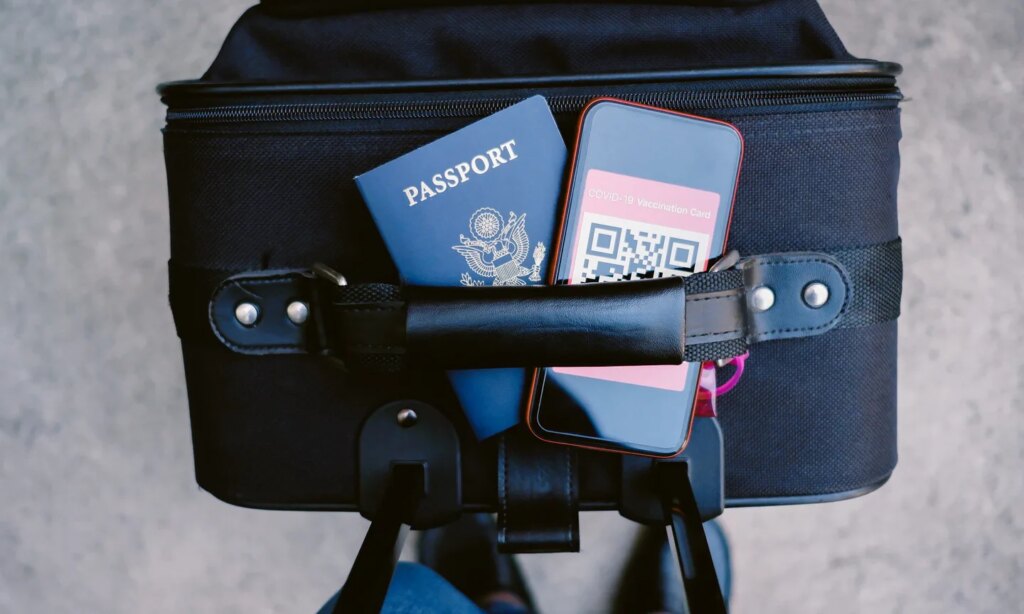
The days of collecting passport stamps are fading for travelers heading to many European countries. The European Union has transitioned to a digital passport control process featuring biometric scans.
One of the primary objectives of the EU’s new Entry/Exit System (EES) is to reduce wait times at border crossings significantly.
However, the EES is not solely for the benefit of travelers. It also aims to prevent visitors from overstaying their welcome, using fake identification, or misusing visa-free travel privileges.
The transition to this new system began on October 12, 2025, with full implementation expected by April 10, 2026. Here’s what travelers can anticipate.
How the new EES impacts European travel
Non-EU nationals, including Americans, will need to register with the EES upon arrival in participating countries. After October 12, 2025, travelers entering most European nations will be directed to authorize the EES to collect the following data:
-
Full name and date of birth.
-
Date and place of every entrance and exit.
-
Facial image and scan of four fingerprints.
-
If you were refused entry to any country.
This information will be stored for an average of three years and linked to your biometric data. If you decline to have your fingerprints scanned or photo taken, entry into the EU will be denied. Note that children under 12 are exempt from providing fingerprint scans.
The rollout will occur in phases over six months, with the EES expected to be operational across all participating countries by April 10, 2026.
Here’s the full list of European countries that will use EES:
While the exact rollout dates for each country remain uncertain, certain airports in Spain, Croatia, Luxembourg, and Estonia are expected to implement it immediately. Popular destinations like Paris are likely to be early adopters of the EES.
Notably, non-Schengen countries such as Ireland and Cyprus will continue to use the current system of physical passport checks.
What to expect during the EES rollout
Travelers may be asked to provide biometric data at any border within the 29 participating countries. Due to the phased implementation, it’s advisable to keep pages available in your physical passport for the time being. Depending on your border crossing, your passport may still receive a stamp.
Allow extra time for your journey, especially if you’re heading to a popular destination, as queues and wait times may increase while travelers register their data. Over time, wait times should decrease as more airports and border crossings adopt the new system.
It’s important to note that the EES does not alter existing visa requirements. If you currently need a visa to enter a country, you will still need one. Be sure to verify the requirements well in advance of your trip. U.S. passport holders can enter most European countries visa-free for up to 90 days.
Paving the way for ETIAS
Another important acronym to remember is ETIAS, or European Travel Information and Authorization System. Set to launch in late 2026, ETIAS will become a requirement for entry into all the same European countries as the EES, plus Cyprus.
In simple terms, it’s a digital pre-travel authorization that travelers must complete before heading to participating countries. While the ETIAS website indicates that most applications are approved within minutes, some may require additional information and take up to 30 days to process. Therefore, it’s wise to complete your application when booking flights and accommodations.
The digital authorization will include a 20-euro application fee (approximately $23).
With both programs in place, travelers to Europe may encounter some challenges ahead. According to sources from ETIAS and EES, these changes aim to streamline travel in the long run. If you have an upcoming trip to Europe, be mindful of these changes and allow extra time for travel, especially upon arrival.
If you’re returning to the United States after your European adventure, consider using
Global Entry
to expedite your passage through U.S. customs.