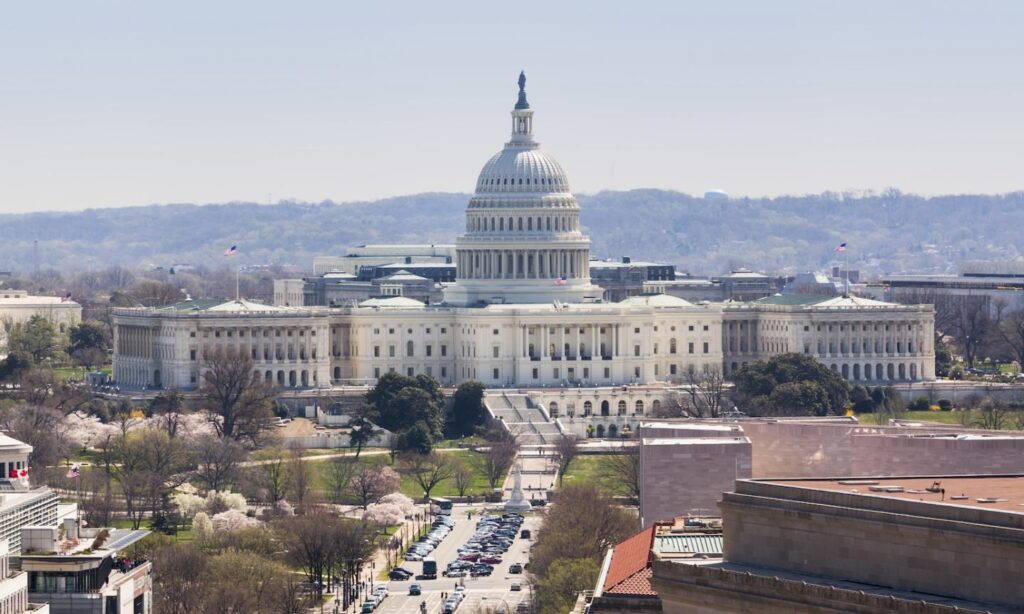
If Congress fails to reach an agreement on federal funding by the September 30 deadline, a government shutdown will occur. This situation creates uncertainty for small-business borrowers regarding both new and existing
SBA loans
. During a shutdown, the Small Business Administration (SBA) halts its core lending operations, ceasing new loan approvals and delaying existing applications.
Here’s what small-business owners should expect.
SBA 7(a) and 504 loan processing freezes
New SBA 7(a) and CDC/504 loans will be paused during a government shutdown, meaning no new loans will be processed or approved.
Even
SBA lenders
with delegated authority cannot issue new loans during a shutdown. This includes members of the preferred lenders program (PLP) and Express lenders.
An exception applies if a loan has already been assigned an SBA loan number — either by a lender with delegated authority or by the SBA before the shutdown. In this case, the lender can proceed with disbursing funds.
SBA lenders continue to work with borrowers
While SBA 7(a) and 504 lenders cannot process new applications, they will still manage existing loans and assist current borrowers. If you plan to apply for an SBA loan, your lender can help you
prepare your loan application
so it’s ready to submit once SBA operations resume.
SBA microloans operate normally
SBA microloans
are issued by approved intermediary lenders that receive funding from the SBA in advance. This structure allows the program to continue operating without interruption, even during a government shutdown.
SBA disaster loans are available, but with delays
The SBA will continue to issue and service
disaster loans
during a government shutdown. However, due to limited staff, borrowers should expect longer processing times and slower assistance than usual.
Borrowers must make SBA loan payments
You’ll still need to make payments on your SBA loan (regardless of the type) during a government shutdown. For 7(a) loans, 504 loans, and microloans, payments are made directly to your lender. For disaster loans, payments can be made to the SBA via the MySBA Loan Portal or by phone.
❗Starting October 1, 2025, the SBA will only accept electronic payments. Any physical checks sent after that date will be returned to the sender.
What happens to other SBA-backed programs in the event of a government shutdown?
In an official document, the SBA outlines which activities will and won’t continue during a government shutdown
. Here’s an overview:
1. SBA resource partners
will continue to provide training and counseling services to small businesses. This includes:
-
Small Business Development Centers.
-
Women’s Business Centers.
-
Veteran Business Outreach Centers.
2. SBIR and STTR programs:
Participating agencies in the Small Business Innovation Research Program (SBIR) and Small Business Technology Transfer programs (STTR) will continue to issue
business grant
awards.
3. SBA contracting programs
will largely pause. Applications will not be processed, and program support will be unavailable during a shutdown. This includes:
The HUBZone program is an exception. The SBA will accept and process HUBZone applications and continue the program’s operations.
Tips for small-business borrowers during a government shutdown
-
Communicate with your lender.
If you’re applying for an SBA loan, reach out to your lender to ask what you should expect during a shutdown. Although the lender can’t move your loan forward in the underwriting process, they can provide information on any steps you can take during this time. -
Get organized.
SBA loan applications require extensive documentation. While loan approvals are paused, it can be a good time to ensure you have all the necessary paperwork. This way, when loan processing resumes, you’ll be ready to move forward quickly. -
Continue to make your payments.
Borrowers must continue to make payments on all SBA loans during a government shutdown. If you’ve
missed a payment
or are having trouble making your payments, reach out to your lender promptly to discuss possible solutions.
Alternatives to SBA loans
If a potential government shutdown is deterring you from an SBA loan, consider these alternatives:
🤓
Nerdy Tip
If you’ve already applied for an SBA loan and your lender has run a hard credit check, be cautious about applying elsewhere. Multiple hard credit checks can quickly lower your personal credit score.
Business bank loans
Business bank loans
typically offer the lowest interest rates and most competitive repayment terms. However, to qualify, you’ll need to meet strict eligibility requirements, including at least two years in business, excellent credit, and strong revenue.
-
Are a highly qualified borrower.
-
Have an existing relationship with a bank lender.
-
Are looking for the lowest interest rate possible.
-
Can wait for financing (anywhere from seven to 30+ days).
Online business loans
Online lenders tend to be faster and more flexible than bank or SBA lenders. Some can approve and fund loan applications as quickly as the same day.
Online lenders
typically have more lenient qualification requirements, but they also charge higher interest rates and offer shorter repayment terms in exchange.
-
Need financing as quickly as possible.
-
Run a startup or have bad credit.
-
Don’t want to visit a physical location to apply for a loan.
-
Have limited physical assets to use as collateral.
Community and nonprofit loans
Nonprofit and community lenders
offer a middle ground between bank and online lenders. These organizations tend to be more flexible with their requirements, frequently working with traditionally underserved borrowers. They also usually offer competitive interest rates and repayment terms, but can be fairly slow to fund.
-
Are a business owned by women, veterans, or minority groups.
-
Are located in a low-income community.
-
Can’t qualify for a bank loan, but still want the best rates and terms possible.
-
Can afford to wait for funding.
-
Can benefit from additional services (e.g., training, coaching, educational resources).