
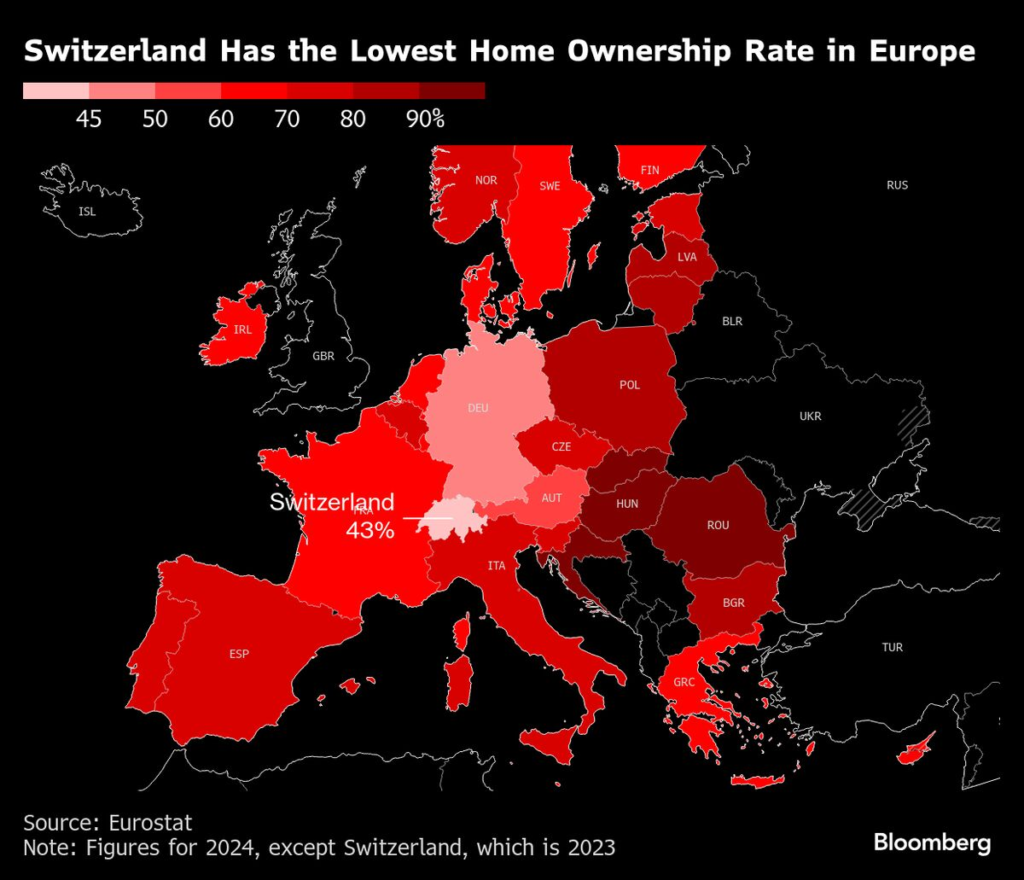
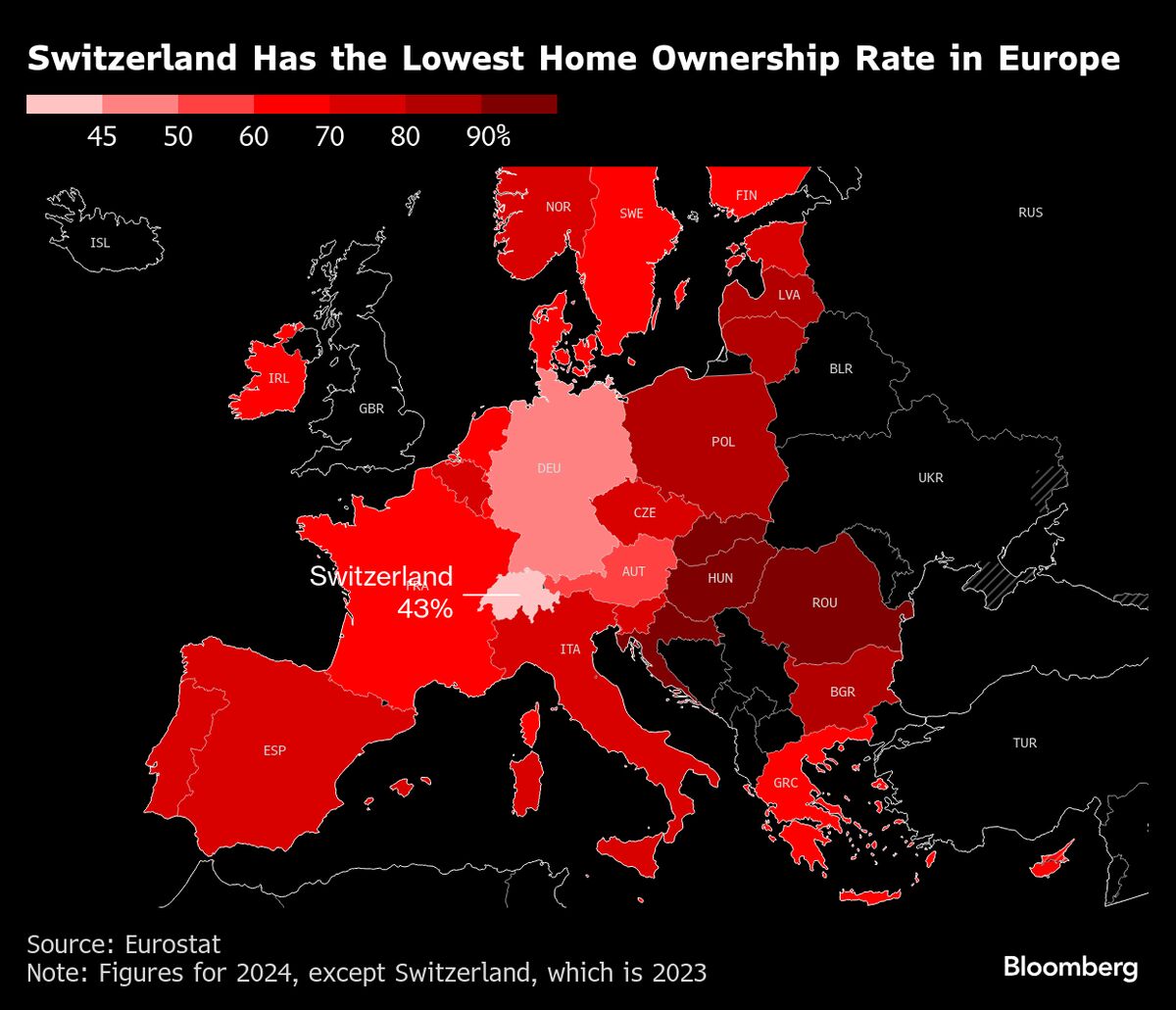
In a significant move that could reshape the landscape of property ownership, the country with the lowest home ownership rate in Europe is on the brink of making a pivotal decision. This decision revolves around the potential allocation of a staggering 1.7 billion-franc ($2.1 billion) tax gift to a select group of property owners.
### The Context of Home Ownership
Home ownership is often seen as a cornerstone of financial stability and personal wealth. However, in this particular European nation, the statistics tell a different story. With home ownership rates trailing behind many of its neighbors, the government faces mounting pressure to address the disparities in property access.
### The Proposed Tax Gift
The proposed tax gift of 1.7 billion francs is aimed at benefiting a fortunate few who already own property. This initiative has sparked a heated debate among policymakers, economists, and the general public. Proponents argue that such a financial incentive could stimulate the economy, encouraging investment in real estate and related sectors. They believe that by easing the tax burden on property owners, the government can foster a more vibrant housing market.
On the other hand, critics raise concerns about the implications of this tax gift. They argue that it could exacerbate existing inequalities in home ownership. With a significant portion of the population unable to afford property, the idea of providing financial relief to a select few raises ethical questions. Should public funds be used to support those who are already in a privileged position?
### Economic Implications
The economic implications of this decision are far-reaching. Supporters of the tax gift contend that it could lead to increased spending in the housing market, potentially creating jobs and boosting local economies. By incentivizing property owners to invest in renovations or new developments, the government could stimulate growth in construction and related industries.
However, the potential for increased inequality cannot be overlooked. If the tax gift primarily benefits those who already own homes, it may further alienate those who are struggling to enter the property market. This could lead to a widening gap between homeowners and renters, ultimately impacting social cohesion.
### Public Sentiment
Public sentiment surrounding this issue is mixed. Many citizens express frustration over the lack of affordable housing options, feeling that the government should prioritize initiatives that support first-time buyers and renters rather than providing tax breaks to existing homeowners. The debate has ignited discussions about the role of government in addressing housing affordability and the need for comprehensive reforms.
### The Path Forward
As the decision looms, the government must weigh the potential benefits of the tax gift against the broader implications for society. Balancing the interests of property owners with the needs of the wider population will be crucial in determining the future of home ownership in this country.
In a time when housing affordability is a pressing issue for many, the outcome of this decision could set a precedent for how governments approach property ownership and economic support in the years to come.