
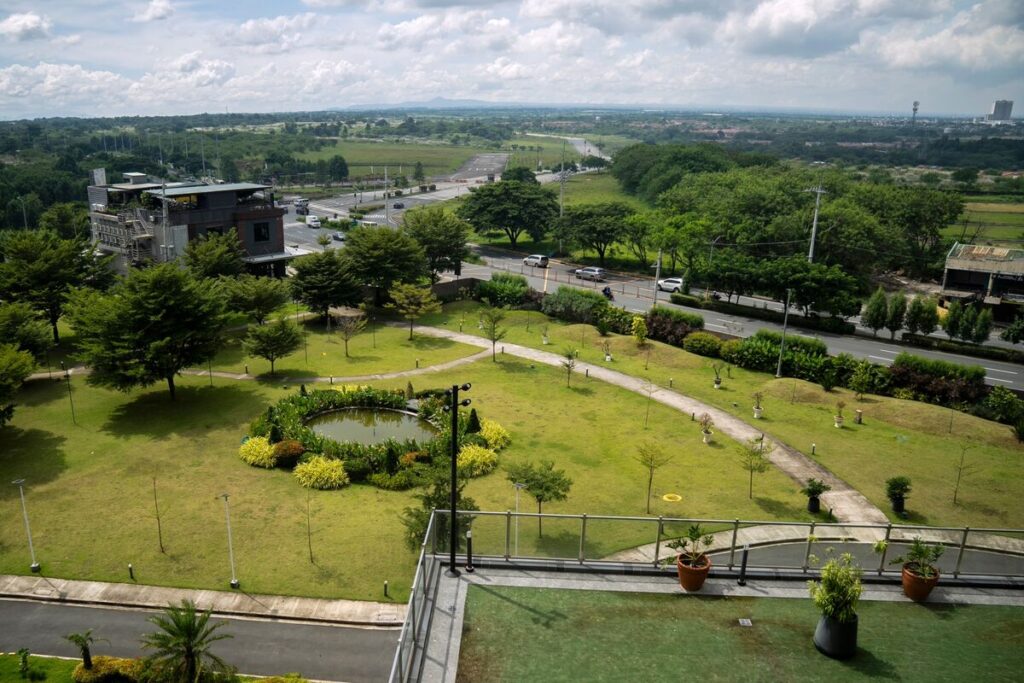
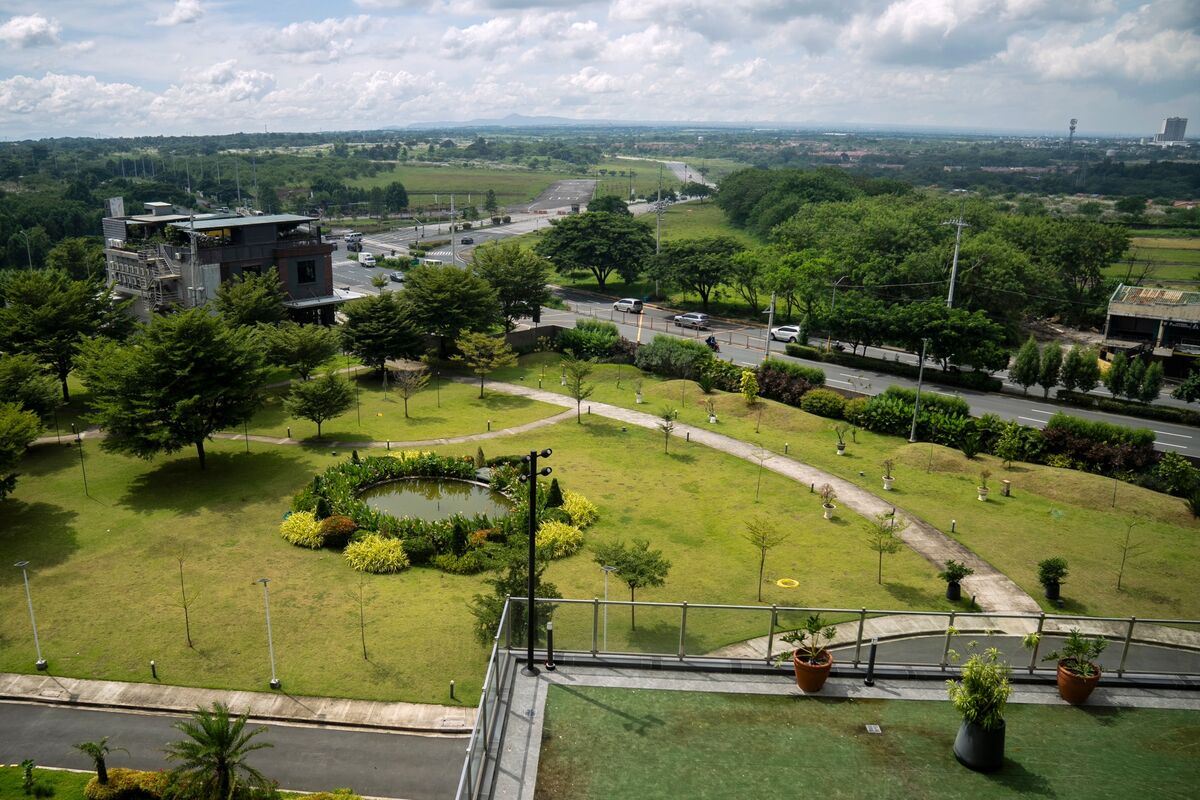
The seemingly desolate expanse of land on the outskirts of Manila belies the incredible financial transformations it has undergone. At first glance, this largely vacant area appears unremarkable, yet it has been the backdrop for both extraordinary wealth generation and significant financial losses.
In recent years, this land has become a focal point for real estate development, attracting investors eager to capitalize on the booming property market in the Philippines. The allure of Manila’s expanding urban landscape has drawn attention to these outskirts, where developers envision sprawling residential complexes, commercial hubs, and recreational spaces. The potential for profit has led to a rush of investment, with projects sprouting up rapidly.
However, the story of this land is not solely one of prosperity. The rapid pace of development has also resulted in staggering writedowns for some investors. As projects falter or fail to meet expectations, the financial implications can be severe. The contrast between the initial excitement of potential riches and the harsh reality of financial loss paints a complex picture of the real estate landscape in this region.
The economic dynamics at play are influenced by various factors, including government policies, market demand, and the overall health of the economy. As Manila continues to grow, the outskirts are poised to play a crucial role in accommodating the city’s expanding population. Yet, the volatility of the real estate market means that fortunes can change overnight, leaving investors to navigate a landscape fraught with uncertainty.
Moreover, the environmental considerations surrounding such developments cannot be overlooked. The push for urbanization often comes at the expense of green spaces and natural habitats. As construction progresses, the balance between development and sustainability becomes increasingly critical. Stakeholders must consider the long-term implications of their investments, not just in terms of financial returns but also in relation to the environment and community well-being.
In addition to the financial stakes, the social impact of these developments is significant. New residential areas can bring jobs and economic opportunities, but they can also lead to displacement and changes in the local community fabric. The challenge lies in ensuring that growth benefits all stakeholders, including existing residents who may feel the effects of rapid change.
As the story of this land continues to unfold, it serves as a reminder of the complexities inherent in real estate development. The potential for wealth is accompanied by risks that can lead to substantial losses. Investors and developers must remain vigilant, adapting to the ever-changing landscape while considering the broader implications of their actions.
In summary, the stretch of land on the outskirts of Manila encapsulates the dual nature of real estate investment—where the promise of fortune exists alongside the potential for significant financial setbacks. As this area evolves, it will be fascinating to observe how the interplay of economic, environmental, and social factors shapes its future.