New York City developers Marty Burger and Andrew Heiberger are making headlines with their ambitious plans for one of the first office-to-residential conversion projects in the bustling area of Midtown South. This initiative reflects a growing trend in urban development, where the demand for residential spaces is increasingly outpacing that for traditional office environments.
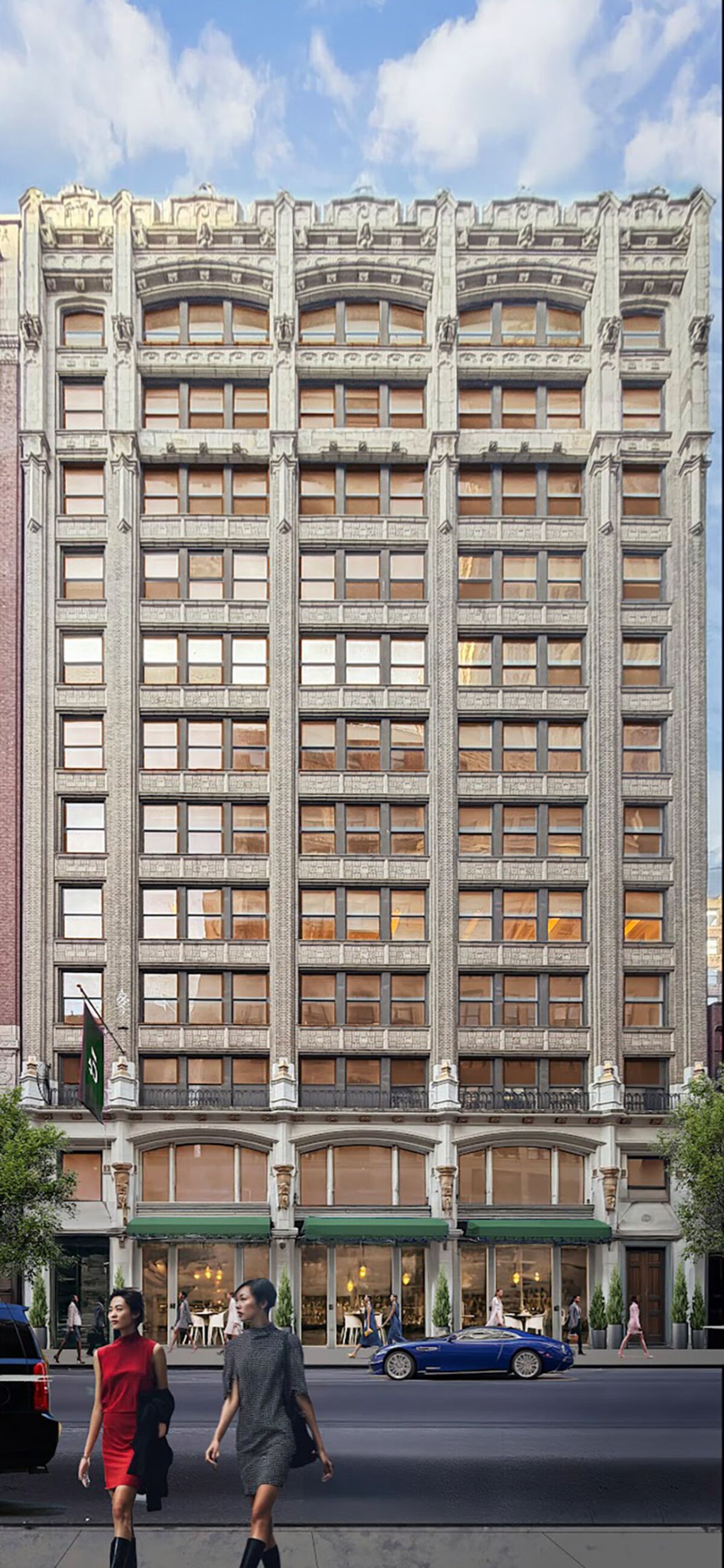
The joint venture spearheaded by Burger and Heiberger aims to invest nearly $70 million into the redevelopment of the property located at 29 W. 35th St.. This strategic investment follows the acquisition of the office building for approximately $25 million, showcasing a significant commitment to transforming the space into a modern residential complex.
The redevelopment will convert the existing office structure into 107 studio apartments, catering to the increasing demand for housing in one of New York City’s most sought-after neighborhoods. Midtown South has seen a surge in popularity, driven by its proximity to major attractions, businesses, and transportation hubs, making it an ideal location for residential living.
This project not only addresses the housing shortage but also revitalizes an underutilized office space, aligning with the city’s broader goals of sustainable urban development. By converting office buildings into residential units, developers can help alleviate the pressures of a tight housing market while breathing new life into existing structures.
As the landscape of work and living continues to evolve, especially in the wake of the pandemic, such conversions are becoming increasingly relevant. Many companies are re-evaluating their office needs, leading to a surplus of office space in certain areas. Developers like Burger and Heiberger are seizing this opportunity to pivot towards residential projects that meet the changing demands of urban dwellers.
The transformation of 29 W. 35th St. is expected to set a precedent for future developments in the area. As more developers look to adapt to the shifting dynamics of urban living and working, projects like this could pave the way for a new era of mixed-use developments that blend residential, commercial, and recreational spaces.