
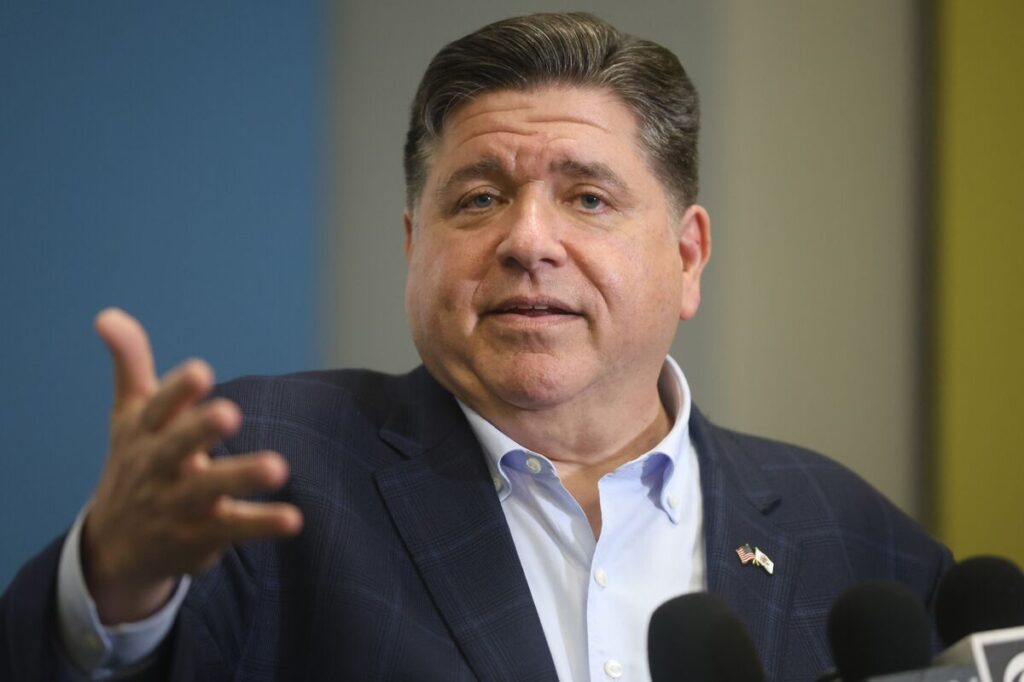
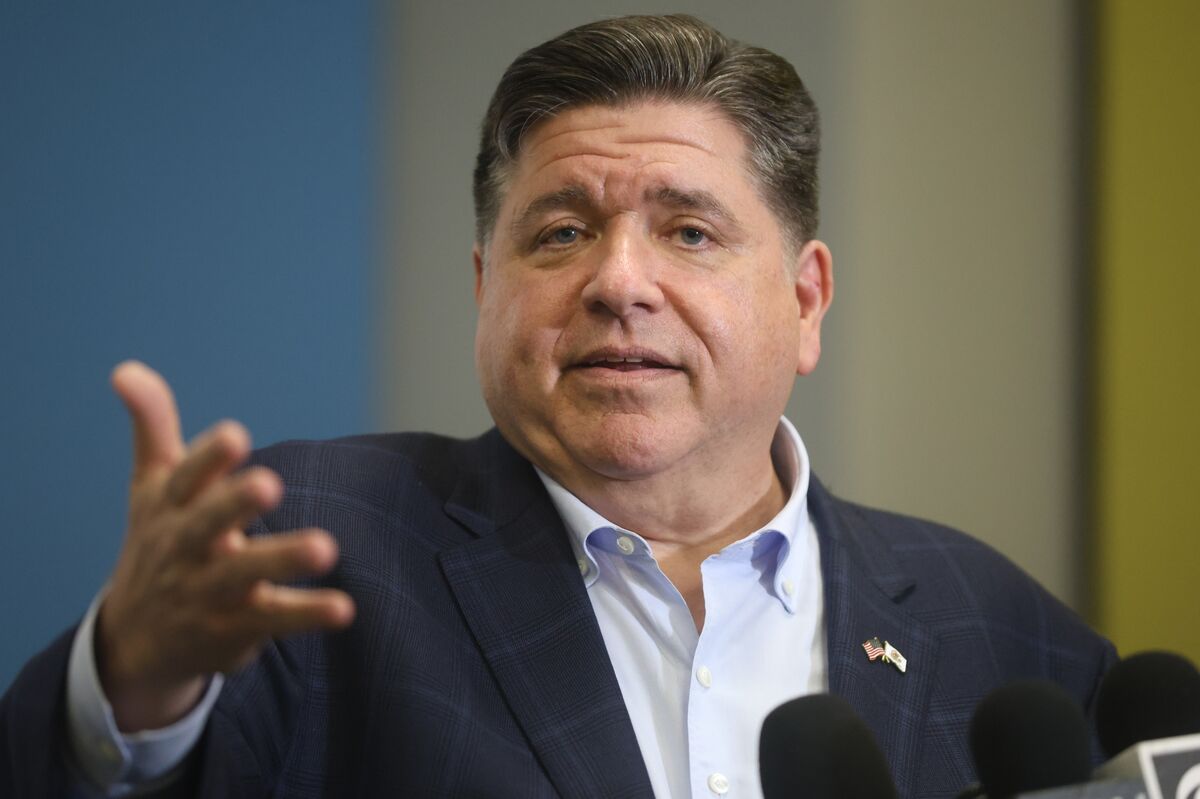
Illinois Governor JB Pritzker has recently made headlines not just for his political maneuvers but also for a significant personal win at the blackjack tables. Known for his affluence and active role in the Democratic party, Pritzker disclosed that he won an impressive $1.4 million while playing blackjack.
Pritzker’s wealth has often been a topic of discussion, especially as he has positioned himself as a prominent figure within the Democratic party. His financial status allows him to engage in high-stakes gambling, a pastime that many might consider risky. However, for Pritzker, this recent win adds another layer to his already colorful public persona.
The governor’s victory at the blackjack table is not just a personal achievement; it also raises questions about the intersection of wealth, politics, and public perception. In a time when many Americans are grappling with economic challenges, Pritzker’s gambling success could be seen as a stark contrast to the everyday struggles faced by his constituents.
Pritzker’s win comes at a time when he is actively involved in various initiatives aimed at improving the lives of Illinois residents. His administration has focused on issues such as healthcare, education, and infrastructure, all of which are critical to the state’s future. Yet, the juxtaposition of his gambling success with the challenges faced by many in Illinois could lead to mixed reactions from the public.
As a wealthy individual, Pritzker has the means to indulge in luxuries that most people cannot afford. This reality can create a disconnect between him and the average voter. While he may be using his wealth to support political causes and initiatives, the optics of winning such a large sum of money in a game of chance may not resonate well with everyone.
Moreover, Pritzker’s win could spark discussions about the ethics of gambling, especially for public figures. As a governor, he holds a position of influence, and his actions can set a precedent for how wealth and gambling are perceived in the political arena. It raises the question of whether such activities are appropriate for someone in his position, and how they might affect his credibility and connection with the electorate.
In the broader context, Pritzker’s blackjack win serves as a reminder of the complexities surrounding wealth and politics. While it may be a personal triumph for the governor, it also highlights the disparities that exist within society. As he continues to navigate his role in the Democratic party and address the needs of his constituents, the implications of his gambling success will likely linger in the public discourse.
As Pritzker moves forward, it will be interesting to see how this win influences his political journey and the perceptions of those he represents. Balancing personal achievements with public responsibilities is a challenge that many politicians face, and Pritzker’s recent blackjack victory adds another layer to this ongoing narrative.