
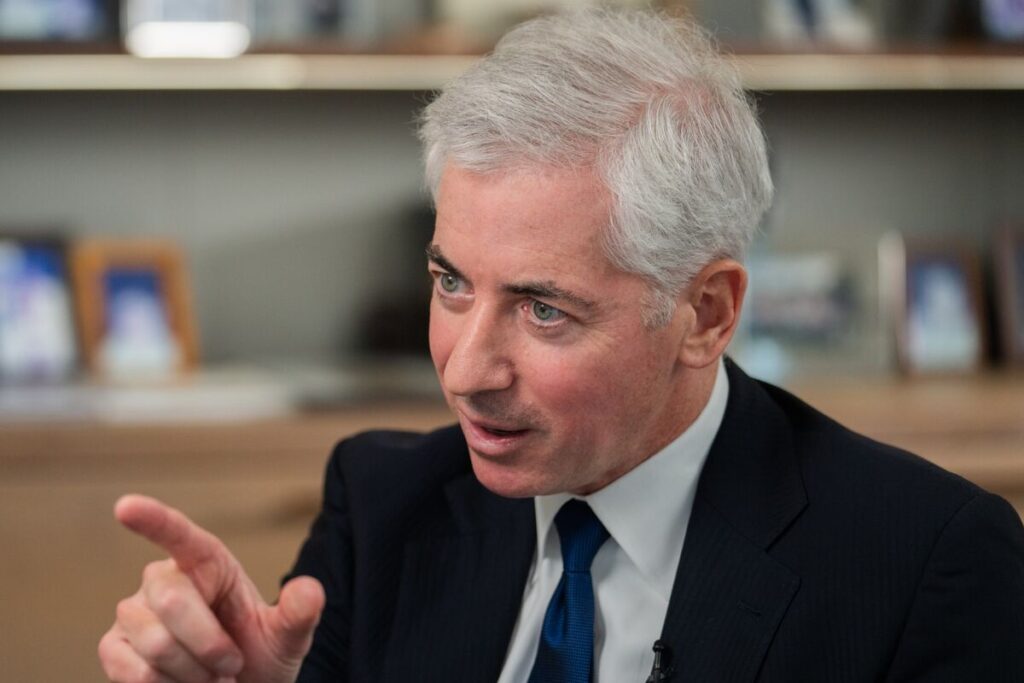
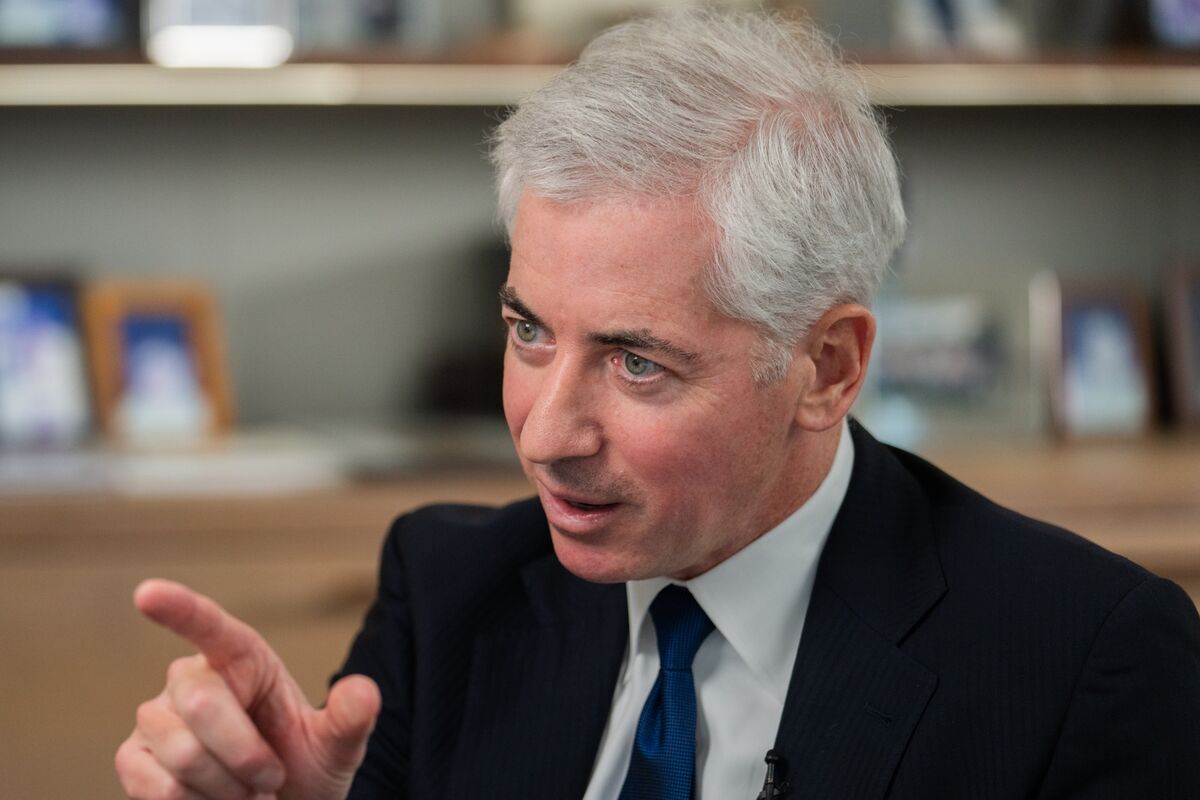
In a significant political move, hedge fund billionaire Bill Ackman has made headlines by donating $1 million to a super PAC that is actively opposing Zohran Mamdani’s campaign for mayor of New York City. This substantial contribution, recorded in state campaign finance documents, underscores the intense financial backing that often shapes political landscapes, especially in high-stakes races like the mayoral election in one of the nation’s largest cities.
Ackman, known for his influential role in the financial sector and his outspoken views on various issues, has positioned himself as a key player in this election cycle. His donation to the super PAC, which is dedicated to countering Mamdani’s campaign, highlights the growing trend of wealthy individuals leveraging their financial resources to sway political outcomes. The implications of such contributions can be profound, as they often enable candidates to amplify their messages, reach broader audiences, and ultimately influence voter perceptions.
Zohran Mamdani, a progressive candidate, has garnered attention for his platform, which focuses on issues such as affordable housing, public safety, and social justice. His campaign aims to resonate with a diverse electorate that is increasingly concerned about the challenges facing New York City. However, the influx of funds from Ackman’s donation to the opposing super PAC raises questions about the impact of money in politics and the potential for it to overshadow grassroots efforts.
The super PAC receiving Ackman’s donation is expected to utilize these funds for various campaign strategies, including advertising, outreach, and mobilization efforts aimed at discrediting Mamdani’s candidacy. This financial backing could provide a significant advantage to Mamdani’s opponents, allowing them to craft narratives that may sway undecided voters or reinforce existing biases against him.
As the election approaches, the dynamics of campaign financing will continue to play a crucial role in shaping the narrative. The influence of super PACs, which can raise and spend unlimited amounts of money, has become a focal point of debate in American politics. Critics argue that such entities can distort the democratic process, giving disproportionate power to a select few while drowning out the voices of ordinary citizens.
Mamdani’s campaign, in response to the donation, may need to adapt its strategies to counteract the financial might of its opponents. This could involve ramping up grassroots mobilization efforts, engaging with community leaders, and leveraging social media platforms to connect directly with voters. The challenge will be to maintain momentum and enthusiasm among supporters while navigating the complexities of a campaign landscape increasingly dominated by money.
In summary, Bill Ackman’s $1 million donation to a super PAC opposing Zohran Mamdani’s mayoral campaign serves as a stark reminder of the role that wealth plays in politics. As the election unfolds, the interplay between financial contributions and voter sentiment will be closely watched, with potential ramifications for the future of political campaigning in New York City and beyond.