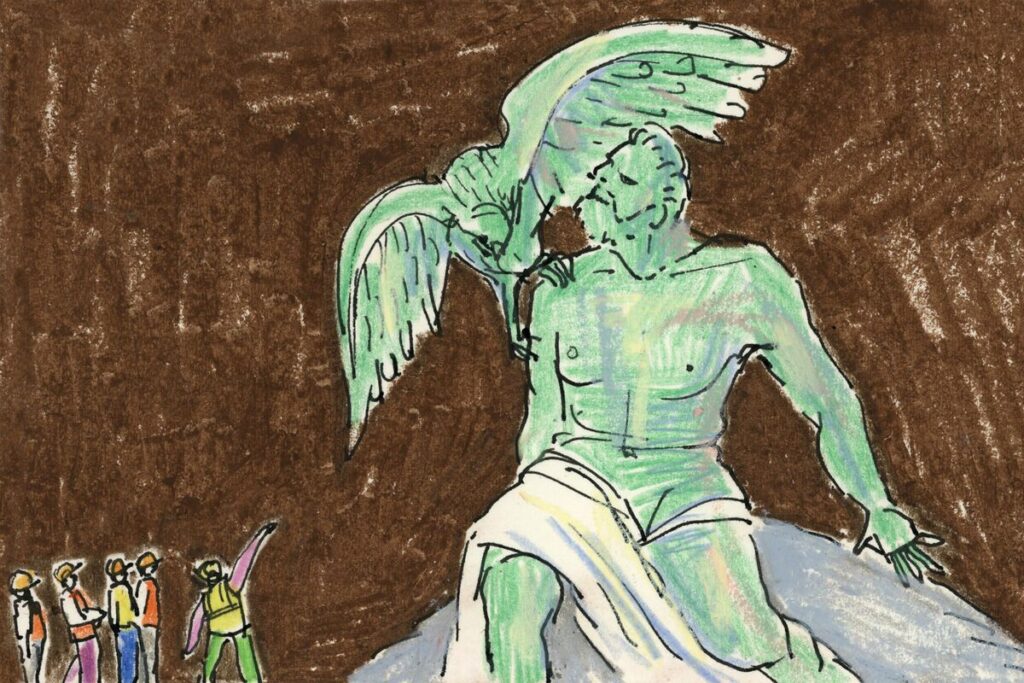
In recent years, the world of public monuments has seen a surge in ambitious proposals that push the boundaries of scale and imagination. Among the most striking ideas are a colossal 450-foot statue of Prometheus and an even more monumental 650-foot statue of George Washington. These grand designs reflect a new trend in the realm of public art and memorialization, often referred to as “statue-maxing.”
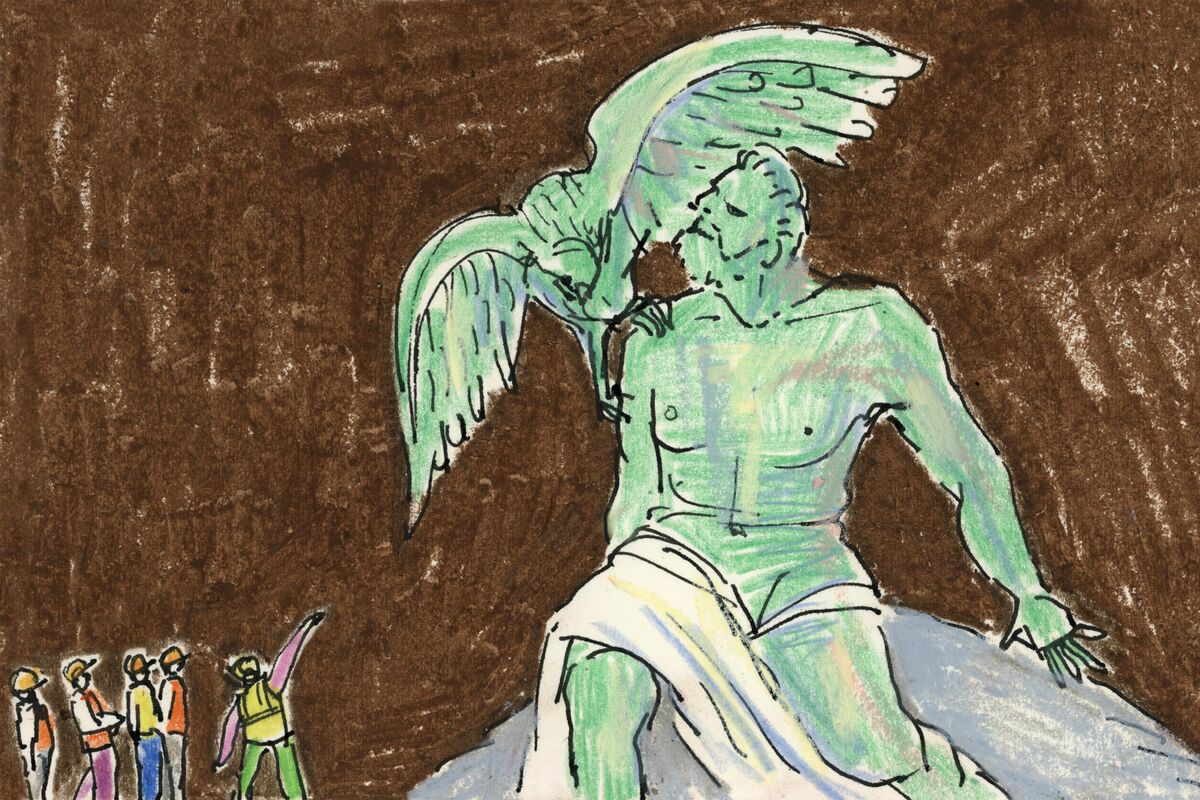
The concept of statue-maxing is not merely about height; it encompasses the ambition to create larger-than-life representations of historical figures and mythological characters. The proposed Prometheus statue, inspired by the Titan from Greek mythology who defied the gods by bringing fire to humanity, aims to capture the essence of enlightenment and progress. This towering figure would not only serve as a visual spectacle but also as a symbol of human resilience and creativity.
On the other hand, the proposed George Washington statue seeks to honor the first President of the United States, a pivotal figure in American history. Standing at an impressive 650 feet, this statue would dwarf existing monuments and serve as a powerful reminder of Washington’s enduring legacy. The sheer scale of these proposals raises questions about the role of public art in contemporary society and how we choose to commemorate our heroes.
As these proposals gain traction, they ignite discussions about the implications of such grand monuments. Critics argue that the focus on size may overshadow the deeper meanings and historical contexts that these figures represent. They caution against the potential for these statues to become mere tourist attractions rather than meaningful symbols of cultural heritage.
Proponents, however, argue that larger-than-life monuments can inspire awe and provoke thought. They believe that these statues can serve as focal points for community engagement and dialogue, encouraging people to reflect on the values and ideals represented by these historical figures. The grandeur of the statues could also attract visitors, boosting local economies and fostering a sense of pride among residents.
Moreover, the trend of statue-maxing is not limited to the United States. Around the world, cities are embracing the idea of monumental art as a way to celebrate their histories and cultural narratives. From towering statues in Asia to grand monuments in Europe, the desire to create impressive public art is a global phenomenon.
As discussions around these proposals continue, it remains to be seen how they will be received by the public and what impact they will have on the landscape of public art. Will these colossal statues become iconic symbols of their respective cities, or will they face criticism for their size and perceived lack of substance? Only time will tell as the world watches this new chapter in the evolution of monuments unfold.