
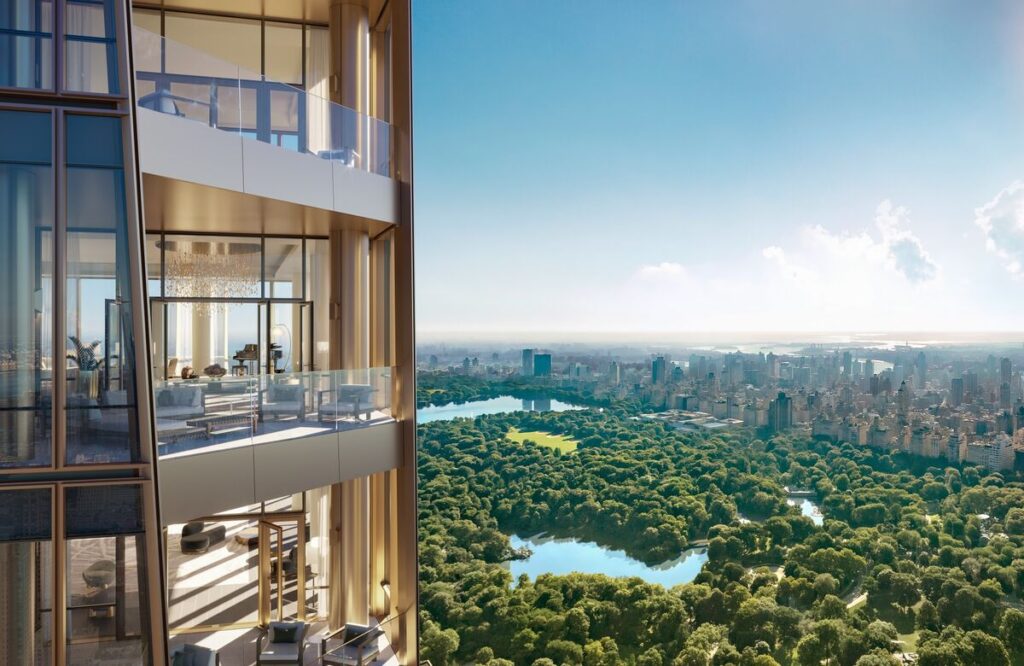
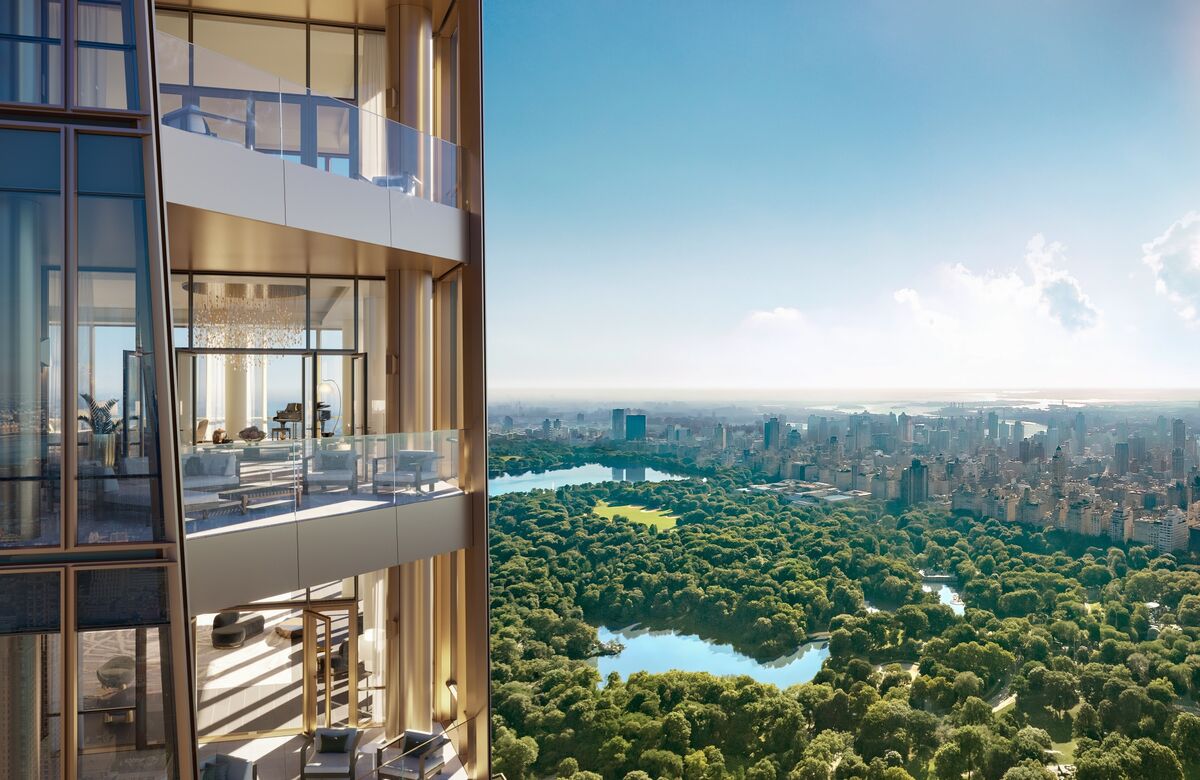
The pipeline is running dry in one of the city’s hottest neighborhoods, just as demand for fresh construction surges. This paradox is creating a unique challenge for developers and homebuyers alike, as the balance between supply and demand becomes increasingly precarious.
In recent years, this neighborhood has experienced a remarkable transformation. Once overlooked, it has now become a vibrant hub for young professionals and families seeking modern amenities and a lively community atmosphere. The influx of new residents has spurred a surge in demand for housing, leading to an urgent need for new construction projects.
However, despite the booming demand, the availability of new construction is dwindling. Several factors contribute to this situation. First, rising construction costs have made it difficult for developers to break ground on new projects. Materials and labor have seen significant price increases, which in turn affects the overall feasibility of new developments. As budgets tighten, many developers are forced to delay or scale back their plans.
Additionally, regulatory hurdles and zoning restrictions can complicate the construction process. Navigating the complex landscape of permits and approvals can be time-consuming and costly, leading to further delays in bringing new housing to market. This bureaucratic red tape can deter potential developers from pursuing projects in the area, exacerbating the supply shortage.
As a result, homebuyers are feeling the pinch. With fewer new homes available, competition for existing properties has intensified. Bidding wars have become commonplace, driving prices higher and making it increasingly challenging for first-time buyers to enter the market. The dream of homeownership is slipping further out of reach for many, as they find themselves outbid time and again.
Real estate experts suggest that the current situation may lead to a shift in buyer preferences. As new construction becomes scarce, many potential homeowners may turn to older properties that require renovation. This trend could spark a wave of home improvement projects, as buyers seek to create their ideal living spaces in established homes.
Moreover, the demand for rental properties is also on the rise. With homeownership becoming less attainable, many individuals are opting to rent instead. This shift is prompting landlords to increase rents, further complicating the housing landscape. The rental market is becoming increasingly competitive, with many renters facing similar challenges to those in the homebuying market.
In response to these challenges, local government officials and community leaders are exploring potential solutions. Initiatives aimed at streamlining the permitting process and incentivizing new construction could help alleviate some of the pressure on the housing market. By fostering a more favorable environment for developers, it may be possible to increase the supply of new homes and restore balance to the market.
As the demand for fresh construction continues to surge, the need for innovative solutions becomes more pressing. The future of this vibrant neighborhood depends on the ability to adapt to the evolving landscape of housing needs, ensuring that it remains a desirable place to live for years to come.