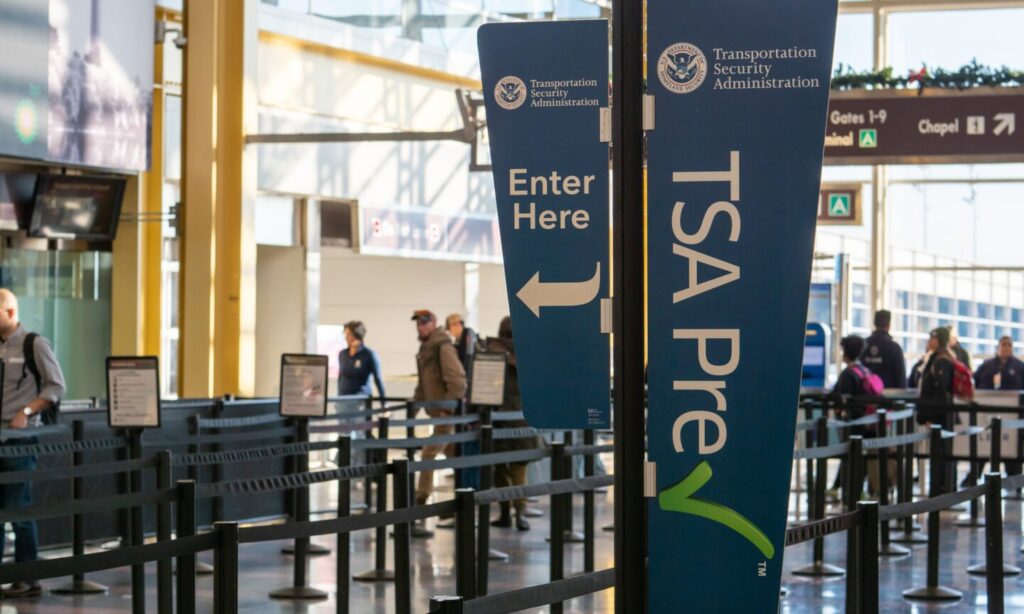
Despite the ongoing government shutdown, most airport operations are expected to proceed as normal. Transportation Security Administration (TSA) officers and air traffic controllers are classified as essential employees, meaning they are required to report to work, although they will not receive pay until the shutdown concludes.
As the shutdown persists, the situation may become increasingly unpredictable. During the 2019 government shutdown, a notable increase in sick calls among TSA agents resulted in staffing shortages, leading to longer wait times at security checkpoints. Similarly, high rates of unscheduled absences among air traffic controllers caused hundreds of flight delays and even a brief ground stop at New York’s LaGuardia Airport.
If you have upcoming travel plans, here’s what you need to know.
Is TSA still operating during the government shutdown?
Yes. On October 1, 2025, TSA announced via X (formerly Twitter) that the agency is ready to screen approximately 2.5 million passengers daily. However, they cautioned that the shutdown could lead to longer wait times at airports.
Is it safe to fly during the shutdown?
Generally, yes. Passengers are still being screened, and air traffic controllers are on duty. However, as absenteeism increases, some workers may be required to take on longer hours or extra shifts, which could strain the system and lead to disruptions.
The Federal Aviation Administration (FAA) may slow down landings and takeoffs if staffing shortages make flying unsafe, potentially resulting in more flight delays and cancellations.
How you can prepare for air travel right now
While the situation may evolve daily, there are several steps you can take to safeguard your travel plans if you’re flying soon.
-
Arrive early.
Allow extra time in case security screening lines are longer than usual. -
Use Trusted Traveler programs.
Programs like TSA PreCheck, Global Entry, and CLEAR+ can expedite your experience through security and customs. -
Renew your passport.
If your passport is nearing expiration, consider starting the renewal process to avoid delays. -
Consider travel insurance.
If potential delays or cancellations could be costly, look into travel insurance options, whether through a standalone policy or a credit card with travel insurance. This can help cover costs incurred during delays, interruptions, and cancellations. -
Keep checking your flights.
Sign up for text alerts, download your airline’s mobile app, and keep your phone charged for notifications. If you experience a delay, you might adjust your departure time to avoid waiting at the gate. -
Pack snacks.
In case of delays, having snacks and an empty water bottle can help you wait it out comfortably.
For international travelers, be prepared for longer queues at customs and border patrol upon returning to the U.S. If possible, consider rescheduling your trip, driving instead of flying, or changing your airport.