
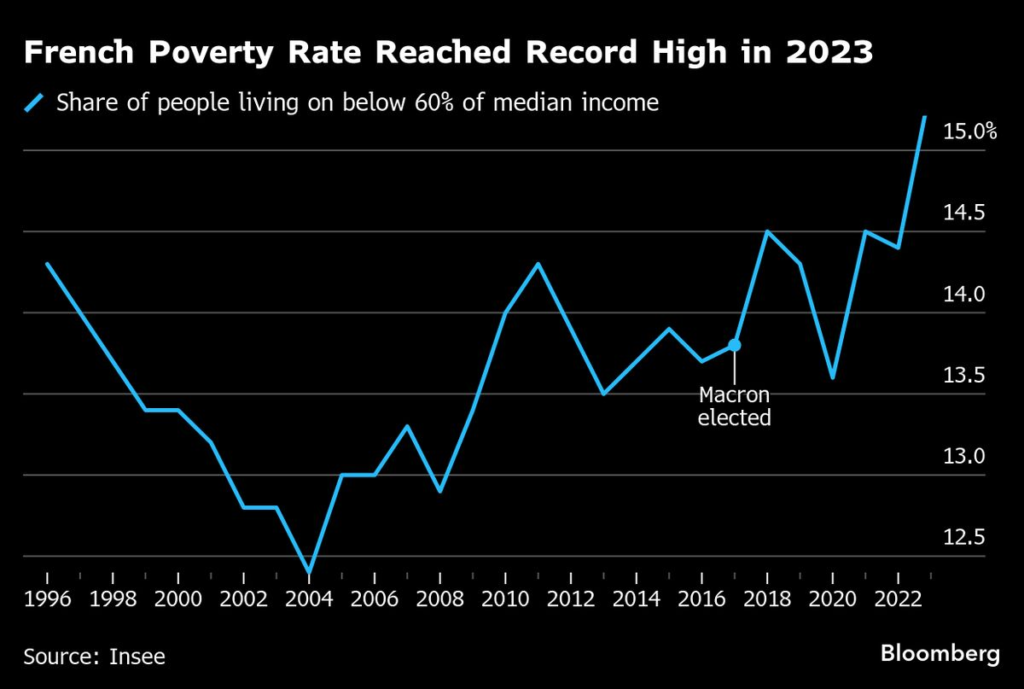
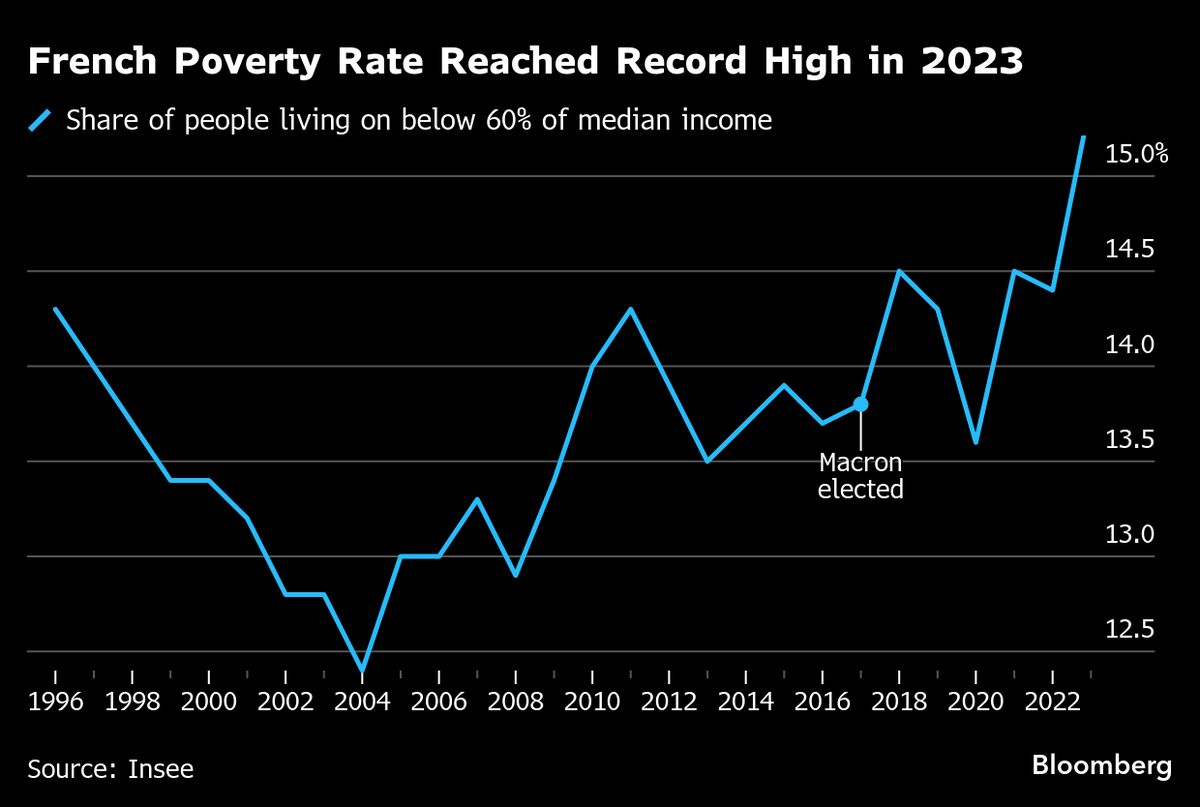
One way or another, the taxman is coming for France’s wealthiest citizens. The French government has been ramping up its efforts to ensure that the affluent contribute their fair share to the nation’s coffers. This initiative is part of a broader strategy to address economic disparities and fund essential public services.
### The Landscape of Wealth Taxation in France
France has a long history of wealth taxation, which has often been a contentious issue. The country’s wealth tax, known as the Impôt de Solidarité sur la Fortune (ISF), was abolished in 2017 and replaced with a tax on real estate assets. However, the current administration is reconsidering the wealth tax as a means to generate additional revenue.
The proposed changes aim to target not just real estate but also other forms of wealth, including financial assets. This shift reflects a growing sentiment that the wealthiest individuals should bear a larger burden in funding public services, especially in light of the economic challenges posed by the COVID-19 pandemic.
### Economic Implications
The implications of reintroducing a wealth tax are significant. Proponents argue that it could help reduce income inequality and provide much-needed funding for social programs. Critics, however, warn that such a tax could drive wealthy individuals to relocate to more tax-friendly countries, ultimately diminishing France’s tax base.
The debate surrounding wealth taxation is not unique to France. Many countries grapple with similar issues, weighing the need for revenue against the potential consequences of discouraging investment and economic growth. In France, the stakes are particularly high, given the nation’s commitment to social welfare and public services.
### Public Sentiment
Public opinion on wealth taxation in France is mixed. Many citizens support the idea of taxing the wealthy more heavily, viewing it as a matter of fairness. They argue that those who have benefited the most from the country’s economic system should contribute more to its upkeep.
On the other hand, there is a significant portion of the population that fears the potential negative effects on the economy. Concerns about capital flight and reduced investment in the country are prevalent, leading to calls for a more balanced approach to taxation.
### The Path Forward
As the French government navigates this complex landscape, it faces the challenge of crafting a tax policy that is both equitable and sustainable. The discussions around wealth taxation will likely continue to evolve, influenced by economic conditions, public sentiment, and political considerations.
In the coming months, it will be crucial for policymakers to engage with various stakeholders, including economists, business leaders, and the general public, to find a solution that addresses the pressing need for revenue while fostering a healthy economic environment.
The taxman may be coming for France’s wealthiest citizens, but how the government chooses to approach this issue will have lasting implications for the nation’s economy and social fabric.