
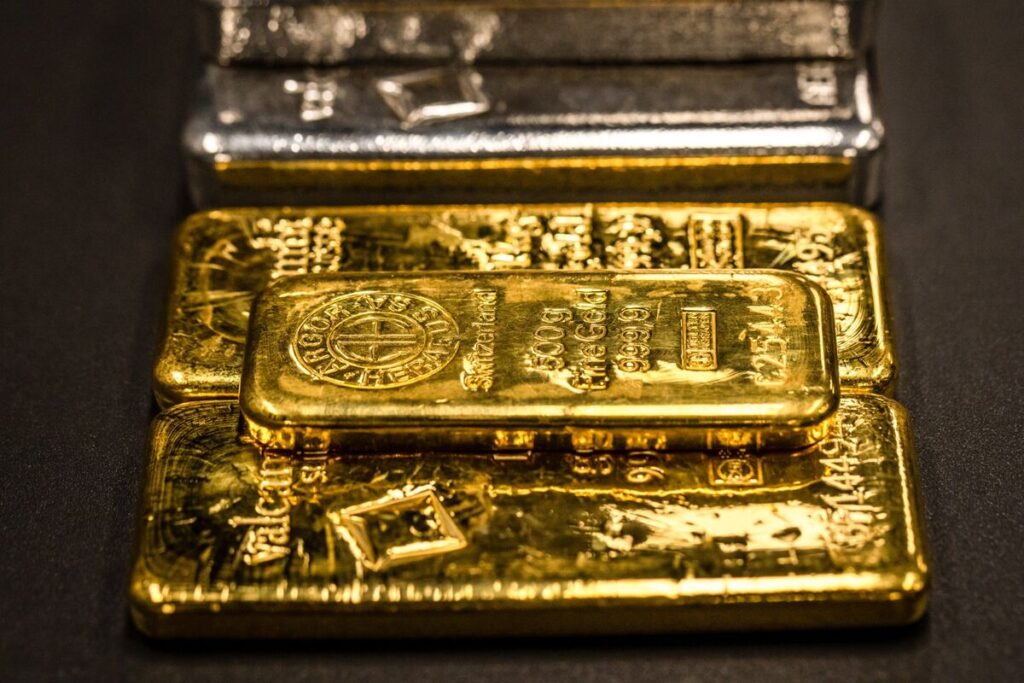
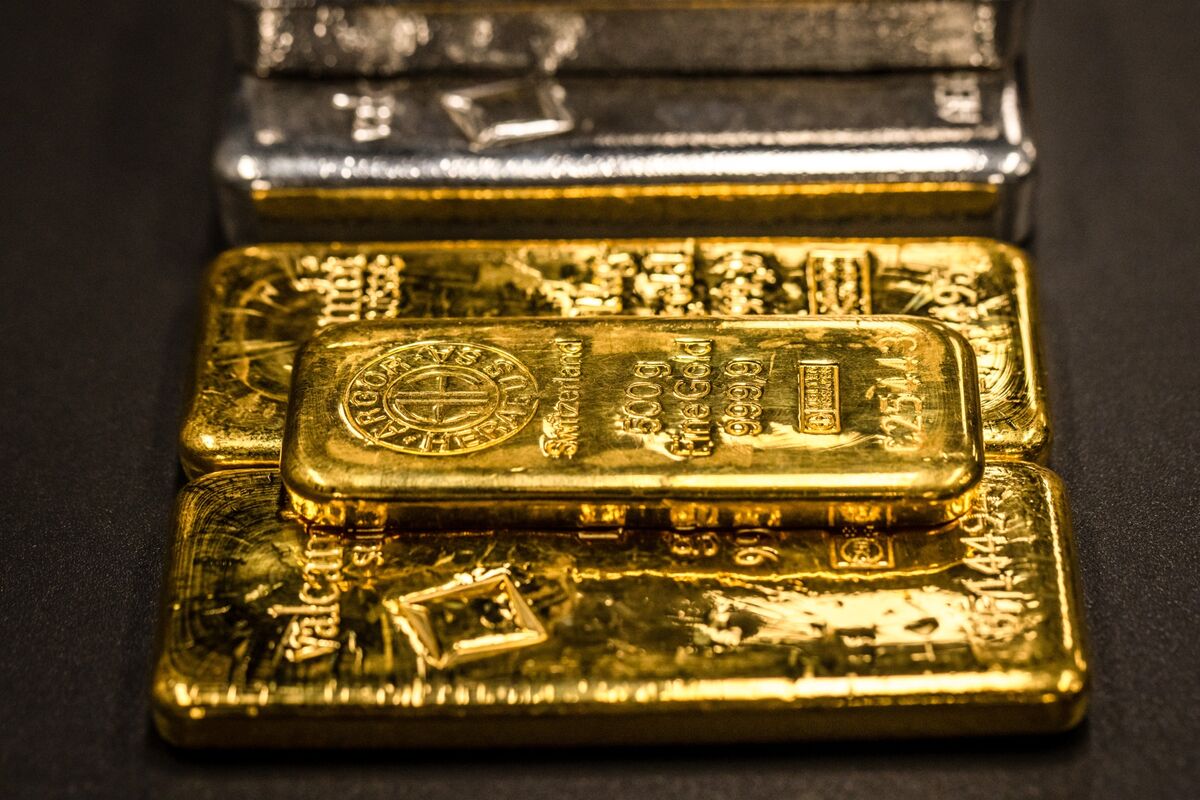
In recent months, there has been a noticeable surge in gold investments, marking the fastest buying rate since the last peak in 2020. This renewed interest in gold can be attributed to various factors, including economic uncertainty, inflation concerns, and geopolitical tensions that have prompted investors to seek safe-haven assets.
Gold has long been regarded as a reliable store of value, especially during times of financial instability. As inflation rates rise and the purchasing power of fiat currencies diminishes, many investors are turning to gold as a hedge against these economic challenges. The allure of gold lies in its intrinsic value, which remains relatively stable compared to other assets that may fluctuate wildly in response to market conditions.
Moreover, the ongoing geopolitical tensions around the world have further fueled the demand for gold. Events such as trade disputes, military conflicts, and political unrest can create an environment of uncertainty, prompting investors to seek refuge in gold. This trend is evident in the increased volume of gold purchases, as individuals and institutions alike look to safeguard their wealth.
Another factor contributing to the current gold rush is the performance of the stock market. With stock prices experiencing volatility, many investors are diversifying their portfolios by allocating a portion of their assets to gold. This strategy not only helps mitigate risk but also positions investors to benefit from potential price increases in the gold market.
In addition to individual investors, institutional buyers have also ramped up their gold acquisitions. Hedge funds and asset management firms are increasingly recognizing the value of gold as a strategic asset. This institutional interest has led to a significant uptick in gold prices, further attracting retail investors who are eager to capitalize on the momentum.
As the demand for gold continues to rise, market analysts are closely monitoring the factors that could influence its price trajectory. Some experts predict that if economic conditions remain unstable, gold could see even higher valuations in the coming months. This potential for appreciation is enticing for both seasoned investors and newcomers alike.
Furthermore, advancements in technology and the rise of digital platforms have made it easier for individuals to invest in gold. Online trading platforms and mobile apps have democratized access to gold investments, allowing a broader audience to participate in the market. This increased accessibility is likely to sustain the current buying trend as more people recognize the benefits of including gold in their investment portfolios.
In summary, the current surge in gold investments reflects a confluence of economic, geopolitical, and technological factors. As investors navigate an increasingly complex financial landscape, gold remains a favored asset for those seeking stability and growth. With the fastest buying rate since 2020, the gold market is poised for continued interest and potential expansion in the near future.