
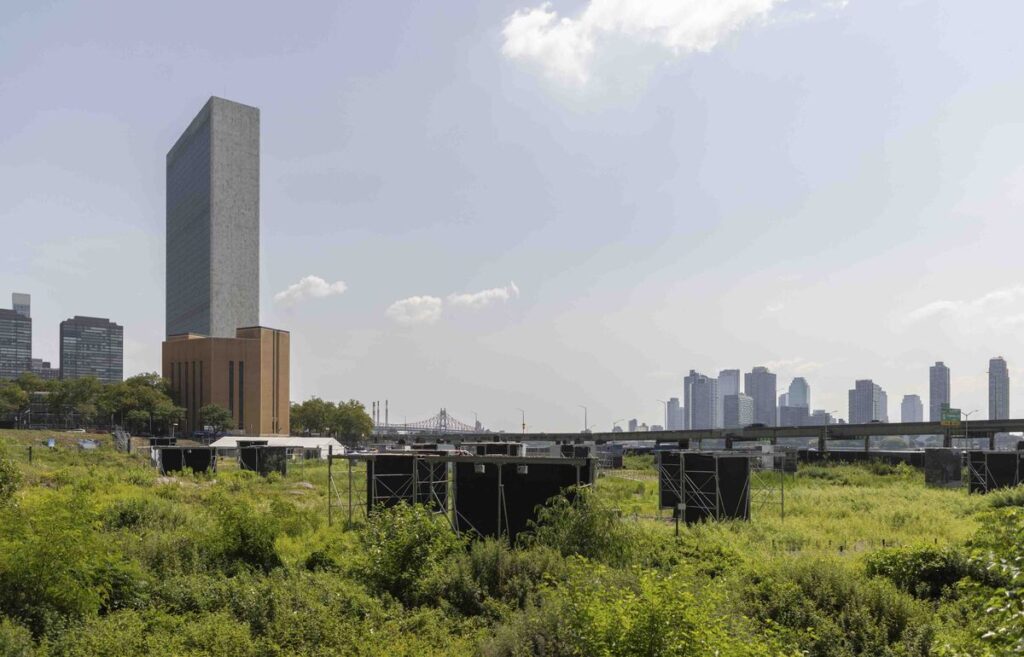
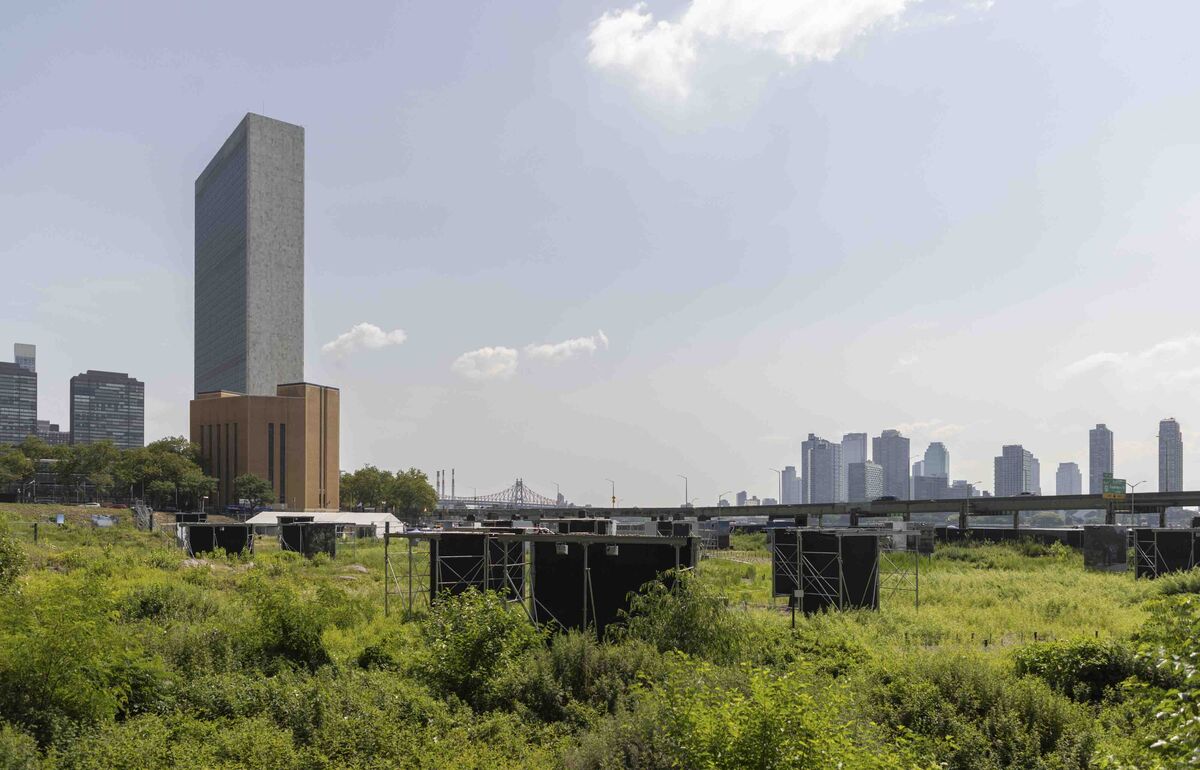
In a surprising turn of events, the long-anticipated Manhattan casino project has been officially shelved. This decision has sent ripples through the local community and the broader gaming industry, which had been eagerly awaiting the potential economic boost and entertainment options a casino could bring to the iconic borough.
The proposal for a casino in Manhattan had garnered significant attention over the past few years. Proponents argued that it would not only create thousands of jobs but also generate substantial tax revenue for the city. With the allure of high-stakes gambling and luxury amenities, many believed a casino would attract tourists and locals alike, enhancing the vibrant atmosphere of Manhattan.
However, the project faced considerable opposition from various stakeholders. Community groups raised concerns about the potential for increased crime, traffic congestion, and the overall impact on the neighborhood’s character. Residents expressed fears that a casino could lead to a decline in quality of life, overshadowing the cultural and historical significance of the area.
Moreover, the regulatory landscape surrounding gambling in New York has been complex and contentious. While the state has embraced gaming in various forms, the introduction of a casino in Manhattan posed unique challenges. Lawmakers had to navigate a web of legal and political hurdles, balancing the interests of the gaming industry with those of local communities.
As discussions progressed, it became increasingly clear that the vision for a Manhattan casino was fraught with complications. The opposition grew louder, and public sentiment shifted. Many New Yorkers began to question whether the potential benefits of a casino truly outweighed the risks.
In light of these challenges, the decision to abandon the Manhattan casino project reflects a broader trend in urban development. Cities across the nation are grappling with the implications of large-scale entertainment venues, weighing the economic benefits against the social costs. The Manhattan case serves as a cautionary tale for other urban centers considering similar projects.
While the casino may be off the table, the conversation surrounding economic development in Manhattan is far from over. City officials and community leaders are now tasked with exploring alternative avenues for growth that align more closely with the values and needs of residents. This could involve investing in public spaces, supporting local businesses, or enhancing cultural initiatives that celebrate the unique identity of Manhattan.
The absence of a casino also opens the door for innovative ideas that prioritize community well-being over profit. As New York continues to evolve, the focus may shift toward creating inclusive environments that foster social interaction and cultural exchange, rather than simply catering to the whims of tourists.
In summary, the decision to forgo a Manhattan casino underscores the complexities of urban development in a city known for its rich history and diverse population. As stakeholders reflect on this outcome, it is clear that the future of Manhattan will be shaped by a commitment to balancing economic growth with the preservation of its unique character and community spirit.