
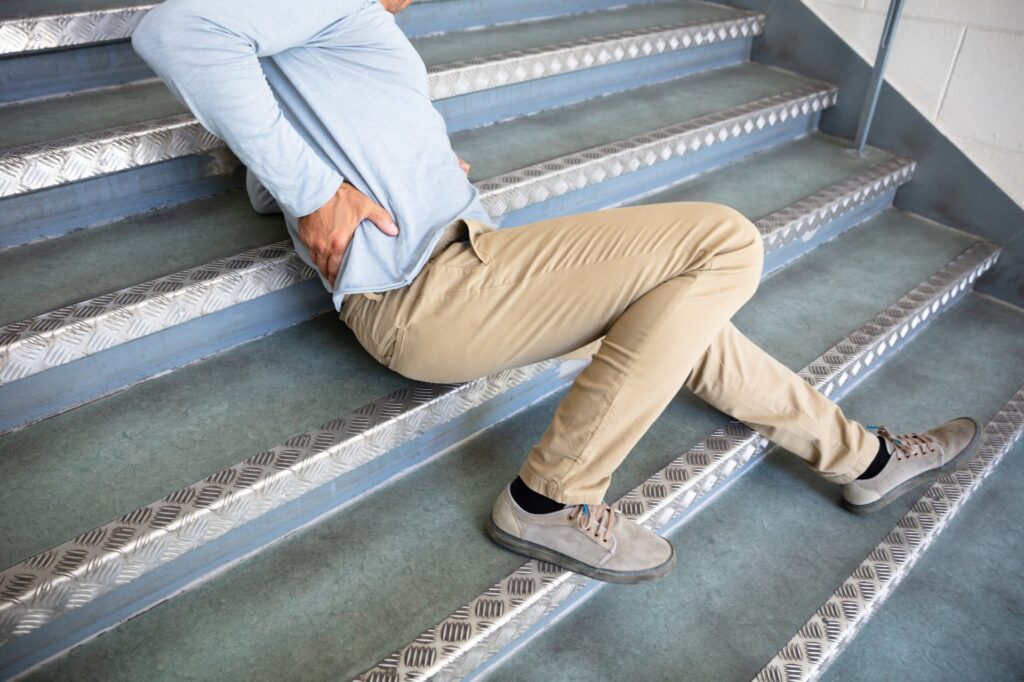

For a while, walking the dog felt hazardous. Earl Vickers was accustomed to taking Molly, his shepherd-boxer-something-else mix, for strolls on the beach or around his neighborhood in Seaside, California. A few years ago, though, he started to experience problems staying upright. “If another dog came toward us, every single time I’d end up on the ground,” recalled Vickers, 69. This alarming trend made what was once a simple pleasure into a source of anxiety.
Vickers is not alone in facing such challenges. Many older adults experience balance issues that can significantly impact their daily lives. These problems can stem from various factors, including age-related changes, medical conditions, and even medications. As people age, their muscle strength, coordination, and flexibility often decline, making them more susceptible to falls.
To combat these issues, Vickers sought help from a physical therapist. Through targeted exercises, he aimed to improve his balance and regain confidence in his mobility. “I learned that I could strengthen my legs and core, which are crucial for stability,” he explained. Physical therapy not only helped him physically but also provided a mental boost, allowing him to feel more secure while walking Molly.
In addition to physical therapy, there are several strategies older adults can adopt to enhance their balance:
- Regular Exercise: Engaging in activities like tai chi, yoga, or even simple strength training can improve balance and coordination.
- Home Modifications: Making adjustments around the home, such as removing tripping hazards and installing grab bars, can create a safer environment.
- Footwear Choices: Wearing supportive shoes with non-slip soles can help prevent slips and falls.
- Vision Checks: Regular eye exams are crucial, as poor vision can contribute to balance problems.
Vickers also found that staying socially active played a vital role in his overall well-being. Participating in community events and engaging with friends not only kept him physically active but also provided emotional support. “Having a network of friends who understand what I’m going through makes a big difference,” he noted.
As he continued to work on his balance, Vickers noticed a significant improvement in his ability to walk Molly without fear. “Now, I can enjoy our walks again,” he said with a smile. “It’s amazing how much of a difference a little effort can make.”
Ultimately, addressing balance issues is crucial for maintaining independence and quality of life as we age. With the right support and strategies, older adults can reclaim their confidence and continue to enjoy activities they love, like walking their dogs.