
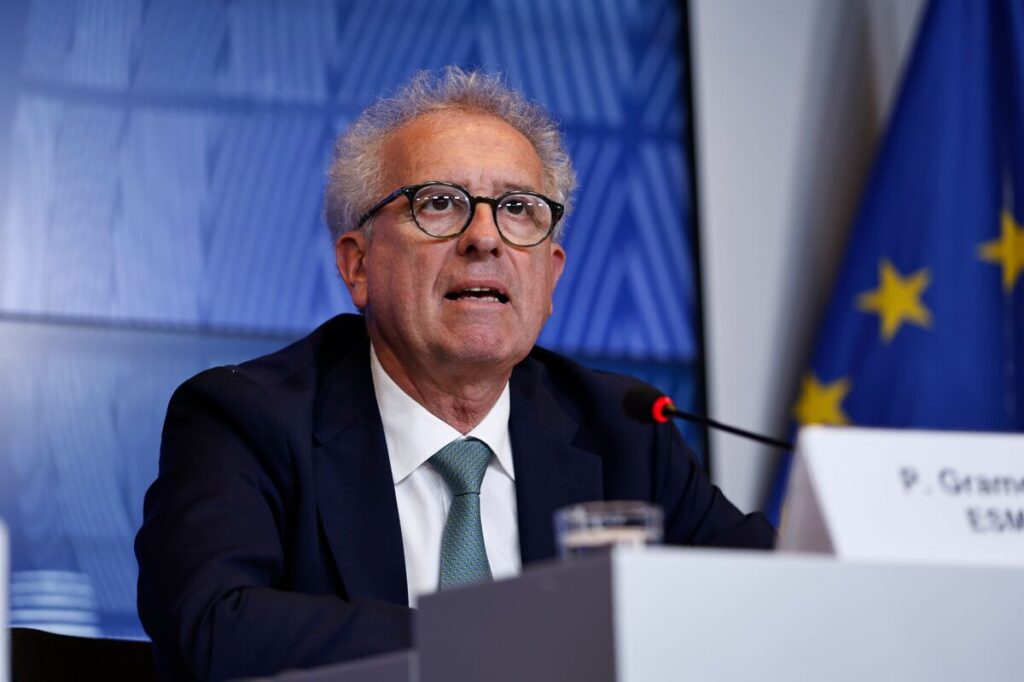
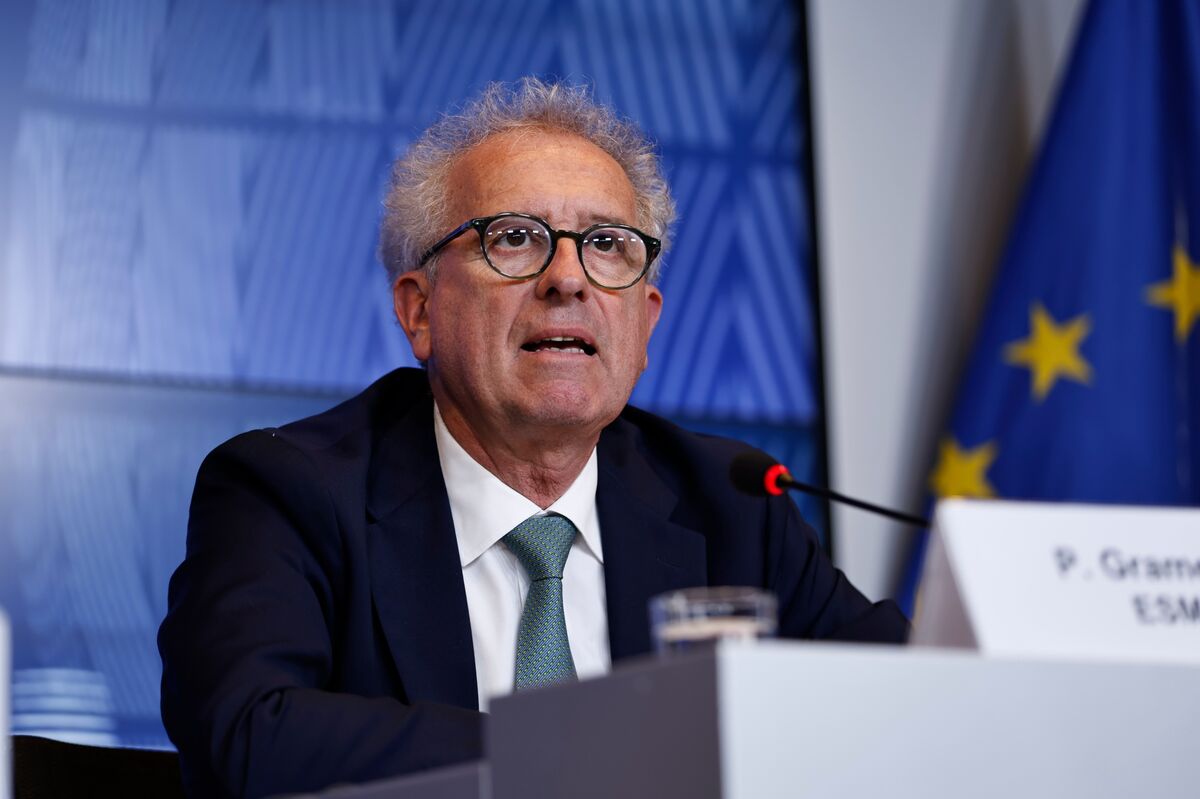
Stablecoins, often touted as a bridge between traditional finance and the burgeoning world of cryptocurrencies, have garnered significant attention in recent years. However, a leading European Union policymaker has raised concerns about their potential risks to financial stability if they are not adequately guaranteed and managed.
### Understanding Stablecoins
Stablecoins are digital currencies designed to maintain a stable value by pegging them to a reserve of assets, such as fiat currencies or commodities. This stability makes them appealing for transactions and as a store of value, especially in the volatile cryptocurrency market. Unlike traditional cryptocurrencies like Bitcoin or Ethereum, which can experience drastic price fluctuations, stablecoins aim to provide a more predictable financial instrument.
### The Risks Involved
Despite their intended stability, the rise of stablecoins poses several risks. One of the primary concerns is the lack of regulatory oversight. Many stablecoin issuers operate in a gray area, where they are not subject to the same stringent regulations that govern traditional banks and financial institutions. This lack of oversight can lead to issues such as insufficient reserves, which could trigger a loss of confidence among users.
Moreover, if a stablecoin is not properly backed by sufficient assets, it could collapse in value, leading to significant financial repercussions for investors and the broader financial system. The European Union policymaker emphasized that without proper guarantees and management, stablecoins could become a source of systemic risk.
### The Need for Regulation
In light of these concerns, there is a growing call for regulatory frameworks to govern the issuance and management of stablecoins. Policymakers are advocating for clear guidelines that ensure stablecoins are adequately backed by reserves and that issuers maintain transparency with their users. Such regulations would not only protect consumers but also help to stabilize the financial system as a whole.
The EU is currently exploring various regulatory approaches to address these challenges. By implementing robust regulations, the aim is to create a safer environment for stablecoin transactions while fostering innovation in the financial technology sector.
### The Future of Stablecoins
As the market for stablecoins continues to expand, the importance of effective management and regulation cannot be overstated. Stakeholders, including regulators, issuers, and users, must work collaboratively to establish a framework that ensures the stability and integrity of these digital assets.
In conclusion, while stablecoins hold the potential to revolutionize the financial landscape, their risks must be managed proactively. The insights from EU policymakers serve as a crucial reminder of the need for vigilance in the rapidly evolving world of digital finance. By prioritizing regulation and oversight, the financial community can harness the benefits of stablecoins while mitigating their risks.