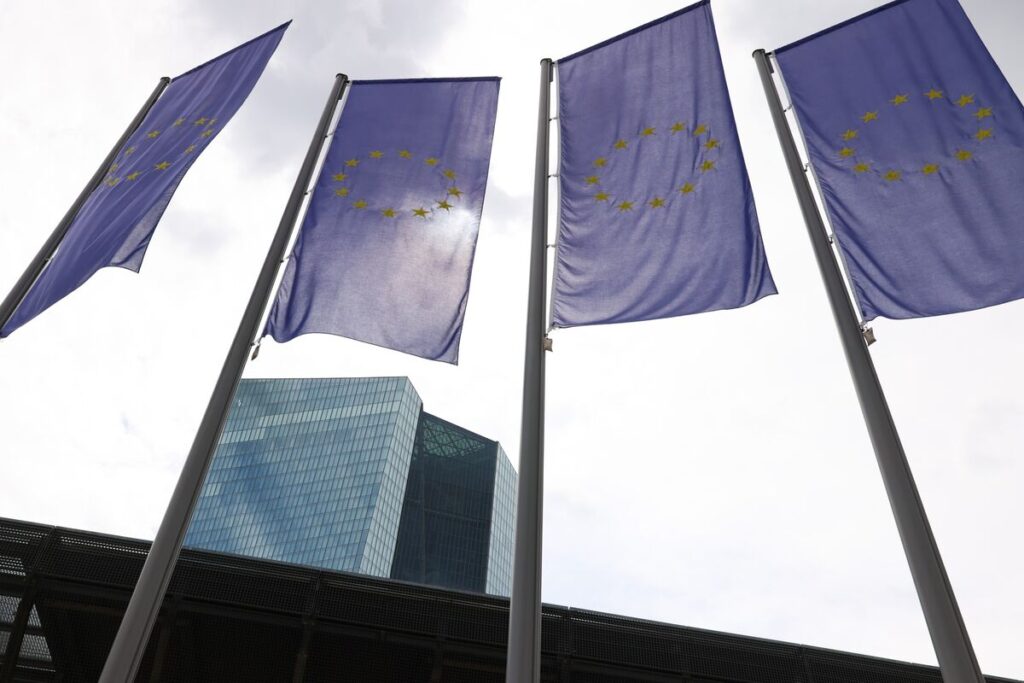

Market Sees 'Escalation To De-Escalate'
In recent weeks, financial markets have been abuzz with discussions surrounding the concept of “escalation to de-escalate.” This phrase encapsulates a strategy where heightened tensions or aggressive actions are employed as a means to ultimately achieve a more stable and peaceful resolution. While this may seem counterintuitive, it reflects a nuanced understanding of geopolitical dynamics and market reactions.
The Context of Escalation
The backdrop for this phenomenon includes a variety of global tensions, from trade disputes to military posturing. Investors are closely monitoring these developments, as they can significantly impact market stability. For instance, the ongoing trade negotiations between major economies have led to a series of tariffs and counter-tariffs, creating an environment of uncertainty.
In this context, the idea of escalating tensions to pave the way for de-escalation becomes a strategic tool. By demonstrating strength or resolve, nations may be attempting to negotiate from a position of power, ultimately leading to more favorable outcomes. This approach can be seen in various scenarios, including diplomatic negotiations and military strategies.
Market Reactions
Market participants are keenly aware of the implications of these strategies. Stock prices, currency values, and commodity prices can all be influenced by geopolitical events. For example, when tensions rise, investors often flock to safe-haven assets like gold or government bonds, driving up their prices. Conversely, when de-escalation appears on the horizon, risk appetite may return, leading to a rally in equities.
Recent data suggests that markets are beginning to price in the potential for de-escalation following periods of heightened tension. Analysts note that this “buy the dip” mentality is prevalent, as investors look for opportunities amidst volatility. The challenge lies in accurately predicting when these shifts will occur, as timing can be critical in capitalizing on market movements.
Implications for Investors
For investors, understanding the dynamics of escalation and de-escalation is crucial. It requires a keen awareness of global events and their potential impact on financial markets. Diversification remains a key strategy, allowing investors to mitigate risks associated with geopolitical uncertainties.
Moreover, staying informed through reliable news sources and market analysis can provide valuable insights. Investors should also consider employing risk management techniques, such as stop-loss orders, to protect their portfolios during periods of volatility.
Looking Ahead
As the world continues to navigate complex geopolitical landscapes, the concept of “escalation to de-escalate” will likely remain relevant. Investors must remain vigilant, adapting their strategies to respond to changing market conditions. By doing so, they can better position themselves to take advantage of opportunities that arise from both escalating tensions and subsequent resolutions.
In summary, the interplay between escalation and de-escalation is a critical factor in today’s financial markets. Understanding this dynamic can empower investors to make informed decisions, ultimately leading to more resilient portfolios in an ever-changing global environment.