
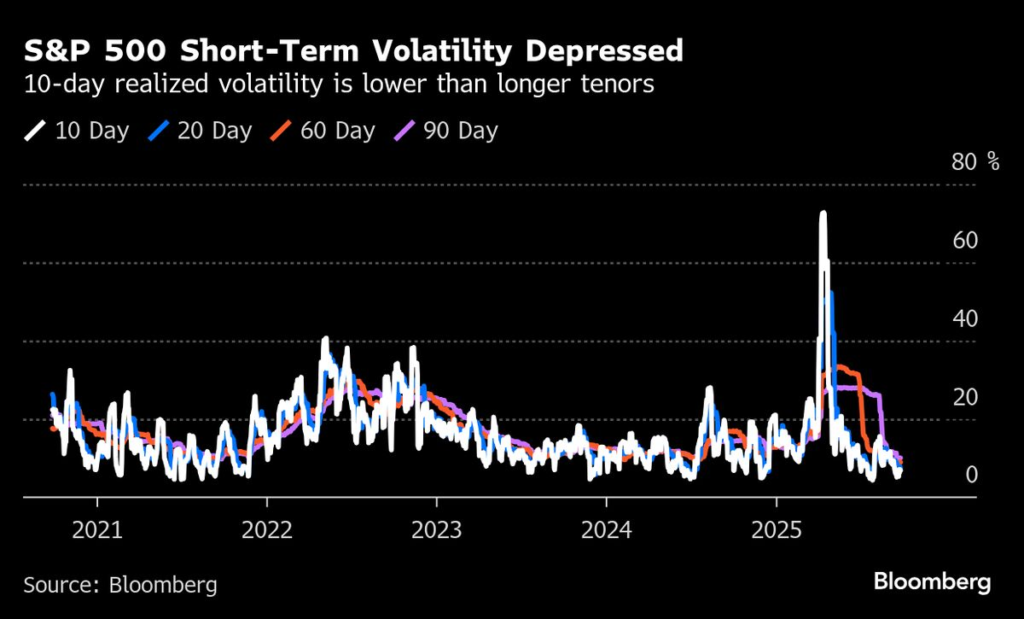
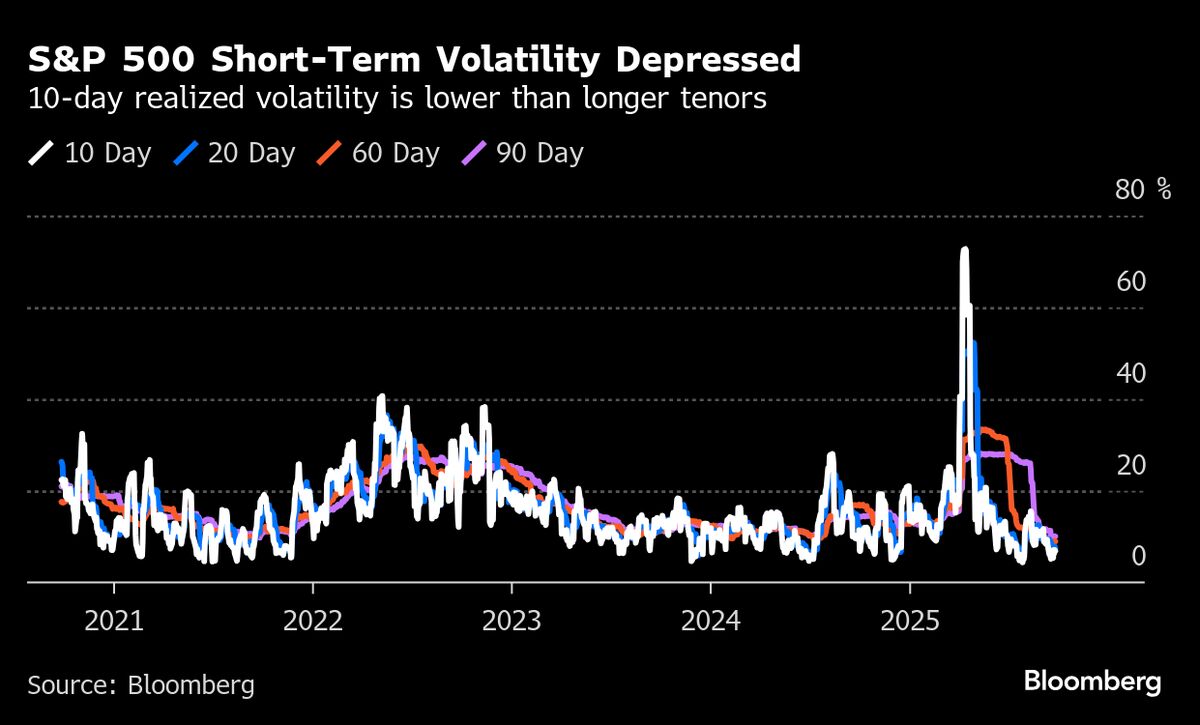
In recent times, investors have been flocking to exchange-traded products (ETPs) with the expectation that stock-market volatility will rise from its currently low levels. This trend reflects a growing belief that the market is due for a significant shift, prompting many to position themselves for potential gains. However, while these investors await a substantial spike in volatility, they are facing a peculiar challenge: their returns are diminishing.
The allure of ETPs lies in their ability to provide exposure to various asset classes, including stocks, bonds, and commodities, all while offering the flexibility of trading like individual stocks. As volatility remains at historically low levels, many investors are betting that this calm will not last. They anticipate that market conditions will soon change, leading to increased price swings and, consequently, greater opportunities for profit.
However, the current landscape presents a paradox. As more investors pour money into these products, the very nature of volatility trading can lead to diminishing returns. This phenomenon is largely due to the mechanics of how ETPs are structured and how they respond to market conditions.
When volatility is low, the premiums on options tend to decrease, which can negatively impact the performance of volatility-linked ETPs. Investors who are waiting for a spike in volatility may find themselves in a frustrating situation where their investments are not yielding the expected returns. This is particularly concerning for those who have entered the market with high hopes of capitalizing on future volatility.
Moreover, the influx of capital into ETPs can create a feedback loop. As more investors buy into these products, the demand can artificially suppress volatility, making it even more challenging for traders to realize gains. This dynamic can lead to a situation where investors are left holding positions that are not only underperforming but also increasingly sensitive to market fluctuations.
In light of these challenges, it’s essential for investors to remain vigilant and informed. Understanding the intricacies of ETPs and the factors that influence their performance can help mitigate some of the risks associated with low-volatility environments. Additionally, diversifying investment strategies and considering alternative assets may provide a buffer against the pitfalls of relying solely on volatility-based products.
As the market continues to evolve, investors must navigate the complexities of trading in a low-volatility landscape. While the potential for profit remains, it is crucial to approach these investments with a clear understanding of the underlying mechanics and the broader market context. By doing so, investors can better position themselves to weather the uncertainties ahead and capitalize on future opportunities as they arise.