
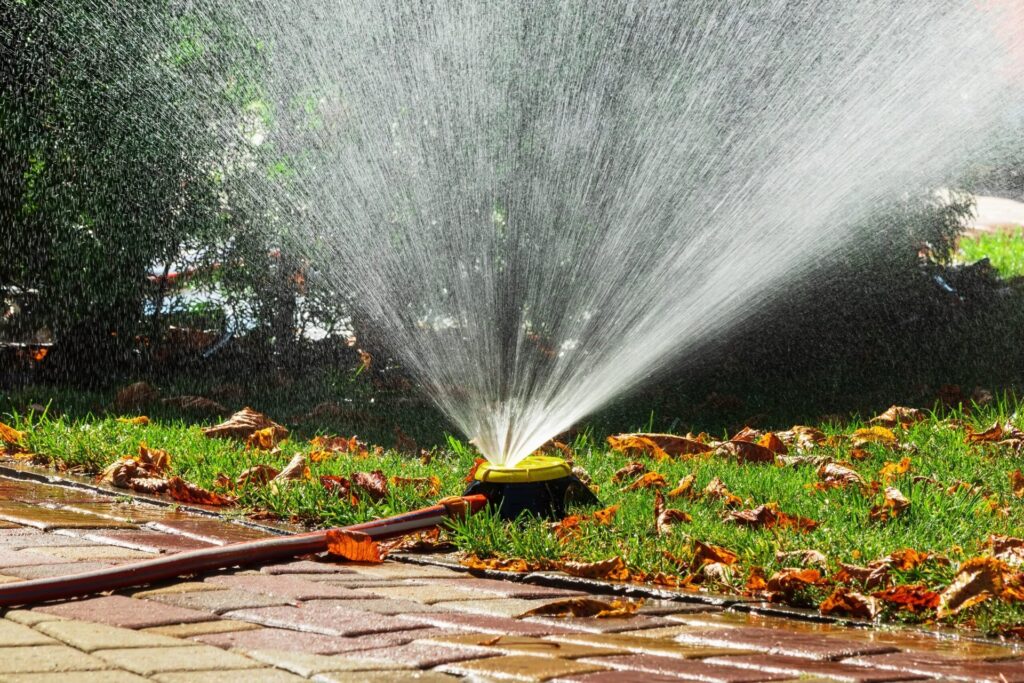

Knowing how to water your lawn in fall and winter is essential for maintaining its health during the colder months. While many homeowners may think that their lawn requires little to no water as temperatures drop, this is a misconception. The key is to provide adequate moisture to sustain your grass without overwatering, which can lead to disease and damage.
As the seasons change, your lawn’s water needs will decrease due to slower growth rates. However, it still requires sufficient moisture to prevent drying out. To ensure your lawn remains vibrant, it’s important to adjust your watering schedule accordingly.
Understanding Seasonal Water Needs
During the fall, as temperatures begin to cool, your lawn will enter a period of dormancy. This means that while growth slows, the grass still needs water to stay healthy. Typically, lawns require about 1 to 1.5 inches of water per week during this time. This can be achieved through rainfall or supplemental watering.
In winter, the water needs of your lawn further decrease. However, if you live in a region where the ground does not freeze, it’s still important to provide occasional watering. This helps maintain moisture levels in the soil, especially during dry spells. If your lawn is covered in snow, it’s likely receiving adequate moisture from melting snow, so additional watering may not be necessary.
Watering Techniques
When it comes to watering your lawn in the cooler months, timing and technique are crucial. Early morning is the best time to water, as it allows the grass to absorb moisture before the sun heats up the day. Avoid watering in the evening, as this can lead to prolonged moisture on the grass blades, increasing the risk of fungal diseases.
Using a soaker hose or drip irrigation system can be particularly effective during the fall and winter months. These methods deliver water directly to the soil, minimizing evaporation and ensuring that the grass roots receive the moisture they need. If you’re using a sprinkler, be sure to adjust it to avoid over-saturating any areas.
Signs of Underwatering and Overwatering
Monitoring your lawn for signs of stress is essential. If you notice that the grass is turning brown or has a dry, brittle texture, it may be a sign of underwatering. Conversely, if you see pooling water or mushy patches, this could indicate overwatering. Adjust your watering schedule based on these observations to maintain a healthy lawn.
In summary, understanding how to properly water your lawn during the fall and winter months is vital for its overall health. By adjusting your watering schedule, employing effective techniques, and being mindful of your lawn’s needs, you can ensure that your grass remains lush and vibrant even in the colder seasons.