
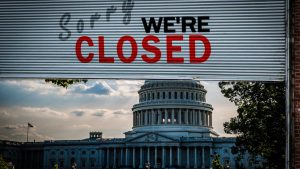
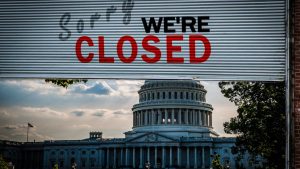
As of October 1, Congress has failed to pass a funding bill for the new federal fiscal year, resulting in an official government shutdown. This situation has significant implications not only for government operations but also for investors and the broader economy.
The shutdown means that many government services will be halted, affecting everything from national parks to federal agencies. Essential services, such as those related to public safety and national security, may continue to operate, but many employees will be furloughed, leading to disruptions in various sectors.
For investors, the uncertainty surrounding a government shutdown can lead to increased market volatility. Historically, such events have caused fluctuations in stock prices as investors react to the potential economic impacts. Companies that rely heavily on government contracts may see their stock prices affected, as delays in funding can hinder operations and revenue streams.
Moreover, the shutdown can lead to delays in economic data releases, which are crucial for investors making informed decisions. Key reports, such as employment figures and GDP growth, may be postponed, leaving investors in the dark about the current state of the economy.
Additionally, the shutdown can impact consumer confidence. When the government is not functioning effectively, it can create a sense of instability that may lead consumers to cut back on spending. This reduction in consumer spending can have a ripple effect on businesses, potentially leading to lower earnings and affecting stock performance.
Investors should also be aware of the potential for a prolonged shutdown. If Congress cannot reach an agreement on funding, the economic consequences could deepen. A longer shutdown may lead to more significant disruptions in government services and further uncertainty in the markets.
In light of these developments, it is crucial for investors to stay informed and consider adjusting their portfolios to mitigate risks associated with the shutdown. Diversifying investments and focusing on sectors that are less likely to be impacted by government funding issues may be prudent strategies during this uncertain time.
Ultimately, while the immediate effects of a government shutdown can be concerning, understanding the broader implications can help investors navigate the challenges ahead. Keeping a close eye on legislative developments and market reactions will be essential for making informed investment decisions.
The post Government Shuts Down — What it Means for Investors appeared first on ValueWalk.