
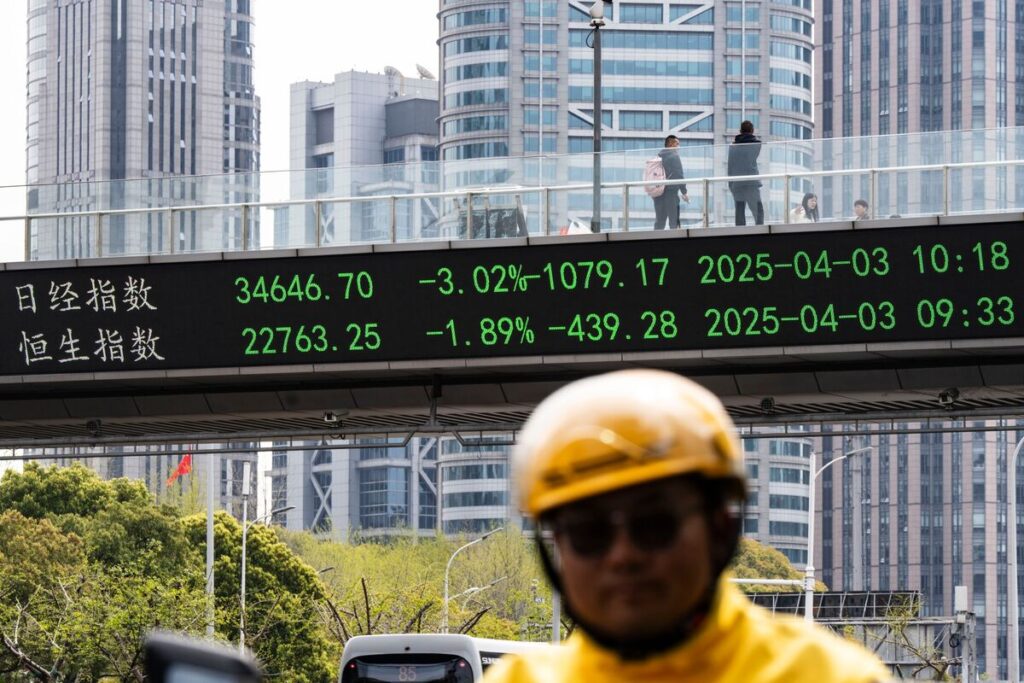
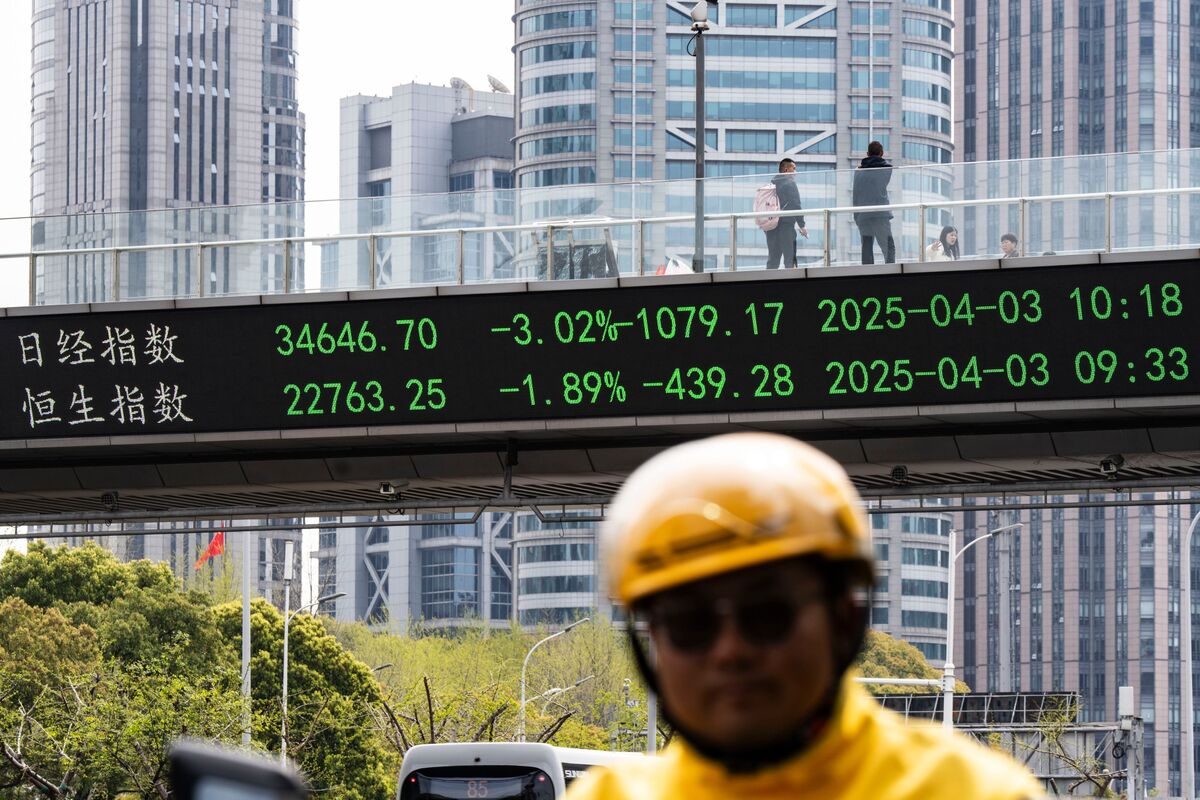
The potential resurgence of a trade war between Beijing and Washington is casting a shadow over the impressive rally seen in Chinese stocks this year. Investors are increasingly concerned that renewed tensions could not only dampen market enthusiasm but also exert downward pressure on the yuan.
### Understanding the Context
The relationship between the United States and China has been fraught with challenges, particularly in the realm of trade. Over the past few years, tariffs and trade barriers have been a significant point of contention, leading to economic repercussions for both nations. As both countries navigate their complex relationship, the specter of a trade war looms large, threatening to disrupt the fragile economic balance.
### The Impact on Chinese Stocks
This year has seen a remarkable surge in Chinese equities, driven by a combination of factors including economic recovery post-pandemic, government stimulus measures, and a rebound in consumer spending. However, the prospect of renewed trade hostilities could reverse this upward trend. Investors are wary that escalating tensions might lead to increased tariffs or other trade restrictions, which could stifle growth and profitability for Chinese companies.
### Currency Concerns
In addition to the stock market implications, the yuan’s stability is also at risk. A trade war typically leads to a depreciation of the affected country’s currency, as investors seek safer assets. If tensions escalate, the yuan could weaken, making imports more expensive and potentially leading to inflationary pressures within China. This scenario could further complicate the economic landscape, as the government may need to intervene to stabilize the currency.
### Market Sentiment
Market sentiment plays a crucial role in shaping the trajectory of stocks and currencies. The fear of a trade war can lead to increased volatility, as investors react to news and rumors. This uncertainty can create a feedback loop, where negative sentiment leads to selling pressure, which in turn exacerbates fears of economic instability. As a result, the current rally in Chinese stocks could be at risk if investors begin to reassess their positions in light of potential trade disruptions.
### Looking Ahead
As the situation unfolds, market participants will be closely monitoring developments between the U.S. and China. Diplomatic efforts, trade negotiations, and economic indicators will all play a critical role in determining the future trajectory of both the stock market and the yuan. Investors may need to brace for potential turbulence as geopolitical tensions continue to shape the economic landscape.
In summary, the threat of a revived trade war between Beijing and Washington poses significant risks to the current rally in Chinese stocks and the stability of the yuan. As both nations navigate their complex relationship, the implications for investors and the broader economy remain to be seen.