
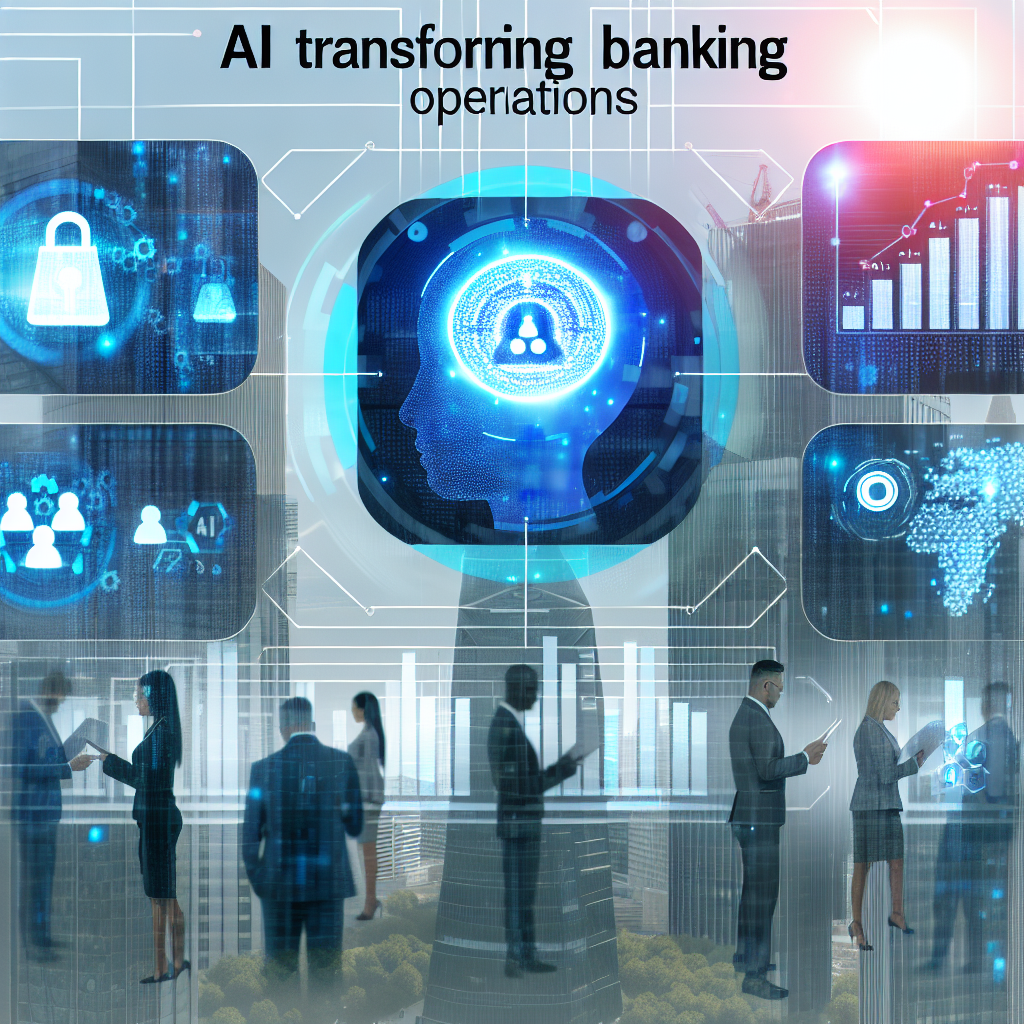
Artificial Intelligence (AI) is reshaping various industries, and banking is certainly no exception. This innovative technology is streamlining processes, enhancing customer experiences, and bolstering security measures, fundamentally changing how banks operate.
Enhancing Customer Service
AI-driven chatbots and virtual assistants are revolutionizing customer service in banking. These tools are available 24/7, providing immediate assistance for routine inquiries, account issues, or transaction queries. By automating these interactions, banks can reduce wait times and improve customer satisfaction. For example, Bank of America’s Erica app uses AI to guide customers through transactions, enabling a seamless banking experience.
Risk Management and Fraud Detection
AI plays a critical role in risk management and fraud detection. By analyzing vast amounts of transaction data in real-time, AI systems can identify unusual patterns that may indicate fraudulent activity. This proactive approach allows banks to respond quickly and prevent potential financial losses. The ability of AI to learn from historical data enhances its predictive accuracy, making it an invaluable tool in safeguarding banking operations.
Personalization of Services
Understanding customer behavior is essential for banks. AI facilitates enhanced data analysis, enabling financial institutions to offer personalized products and services. With insights gleaned from customer data, banks can tailor marketing strategies and product offerings to meet specific needs. This level of personalization enhances customer loyalty and promotes long-term relationships.
Streamlining Operations
AI also streamlines internal bank operations. Automating mundane tasks such as data entry and compliance checks allows employees to focus on more strategic initiatives. For instance, robotic process automation (RPA) can handle repetitive tasks efficiently, reducing human error and increasing productivity. This operational efficiency translates to cost savings for banks, which can be passed on to customers in the form of lower fees or improved services.
Improving Decision-Making with Data Analytics
The ability to analyze large datasets quickly is one of AI’s standout features. Machine learning algorithms can process and interpret trends, enabling banks to make informed decisions on lending, investments, and risk assessments. This data-driven decision-making not only improves financial outcomes but also enhances overall operational effectiveness.
Compliance and Regulatory Challenges
In an era of increasing regulatory scrutiny, compliance is more crucial than ever. AI can help banks navigate the complex landscape of regulations by automating compliance checks and monitoring transactions for discrepancies. By minimizing compliance risks, banks can safeguard their reputation while meeting industry standards.
Future Outlook
As AI technology continues to evolve, the future of banking will undoubtedly see even greater transformations. The integration of AI with blockchain technology, for example, promises enhanced security and transparency in transactions. Financial institutions must adapt to these changes to remain competitive, innovative, and customer-focused.
AI has become a game changer in banking, reshaping how financial institutions engage with customers and manage their operations. By harnessing the power of AI, banks are not only improving efficiency but also enhancing the overall banking experience for their clientele.
For more information on how AI is shaping financial services, visit reputable sources such as McKinsey & Company and Accenture for insightful resources.