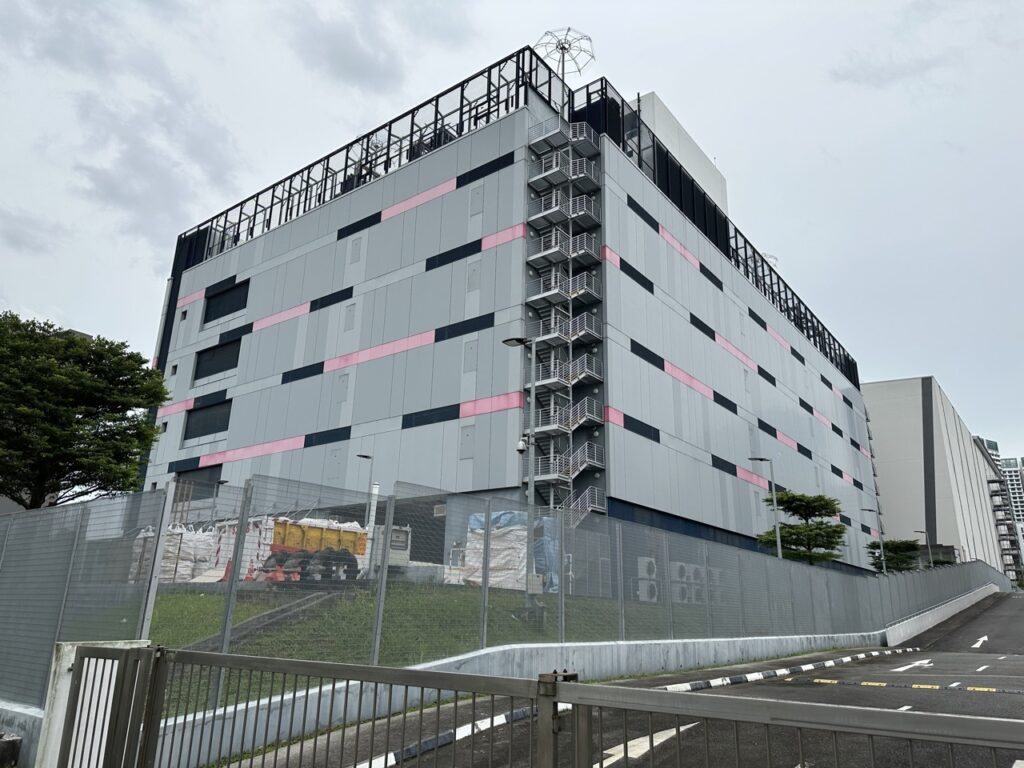

The commercial real estate (CRE) market has faced significant challenges in recent years, primarily due to shifts in economic conditions, the impact of the COVID-19 pandemic, and evolving workforce trends. However, recent signs indicate that the market is on a path to recovery amidst these uncertainties.
Understanding the Current Landscape
The CRE sector encompasses various property types, including office spaces, retail, industrial, and multifamily housing. Each segment has experienced distinct impacts based on changing consumer behaviors and economic policies. For instance, while remote work has diminished demand for traditional office space, the industrial sector, particularly logistics and warehousing, has surged thanks to the booming e-commerce industry.
Increased Investment Activity
One of the most promising signs of recovery is the uptick in investment activity across the CRE landscape. According to a report by CBRE, investor confidence is rebounding, primarily driven by a growing interest in diverse property types. Institutional investors and real estate investment trusts (REITs) are increasingly capitalizing on opportunities created by lower asset prices in certain markets.
Rising Rental Demand
As the economy stabilizes, a notable shift is occurring in rental demand. Many companies are reevaluating their office space needs, leading to a resurgence in interest for flexible work environments. This trend has fueled demand for coworking spaces and smaller office rentals, indicating a shift in how businesses perceive their real estate requirements. The National Association of Realtors reports that many organizations are now seeking versatile spaces that can accommodate hybrid work models.
Multifamily Market Resilience
The multifamily housing market has shown remarkable resilience amid economic uncertainties. With rising mortgage rates driving potential homebuyers to continue renting, the demand for rental units remains robust. As outlined in the 2023 National Multifamily Housing Council, rental rates have experienced steady growth in many metropolitan areas, further signaling a rebound in the sector.
Technological Advancements Driving Changes
The recovery of commercial real estate is also being bolstered by technological innovations. Proptech solutions are enhancing efficiency in property management, leasing processes, and tenant experiences. Smart building technologies are increasingly in demand, appealing to environmentally conscious investors and tenants alike. This trend aligns with the broader push for sustainability in real estate, making properties more attractive.
Economic Policies and Interest Rates
Government interventions, including stimulus packages and infrastructure investments, have played a significant role in supporting economic recovery. Central banks have kept interest rates relatively low, making borrowing more appealing for both investors and businesses. As a result, many stakeholders have been more willing to make long-term investments in commercial real estate, thus injecting liquidity into the market.
Potential Risks Ahead
Despite these positive signs, the commercial real estate market is not without risks. Economic volatility, inflationary pressures, and changing consumer preferences can impact various sectors differently. For instance, retail spaces continue to face challenges from the growing dominance of e-commerce. Staying informed about market trends and adapting to changes swiftly will be crucial for investors and industry players.
In summary, while the commercial real estate sector faces its fair share of challenges, there are significant signs of recovery amid the uncertainties. Increased investment activity, rising rental demand, resilience in the multifamily market, and technological advancements highlight a gradual shift toward a more stable environment. As the market continues to adapt to the evolving landscape, stakeholders must remain agile, leveraging both opportunities and innovations to navigate the complexities of commercial real estate.