
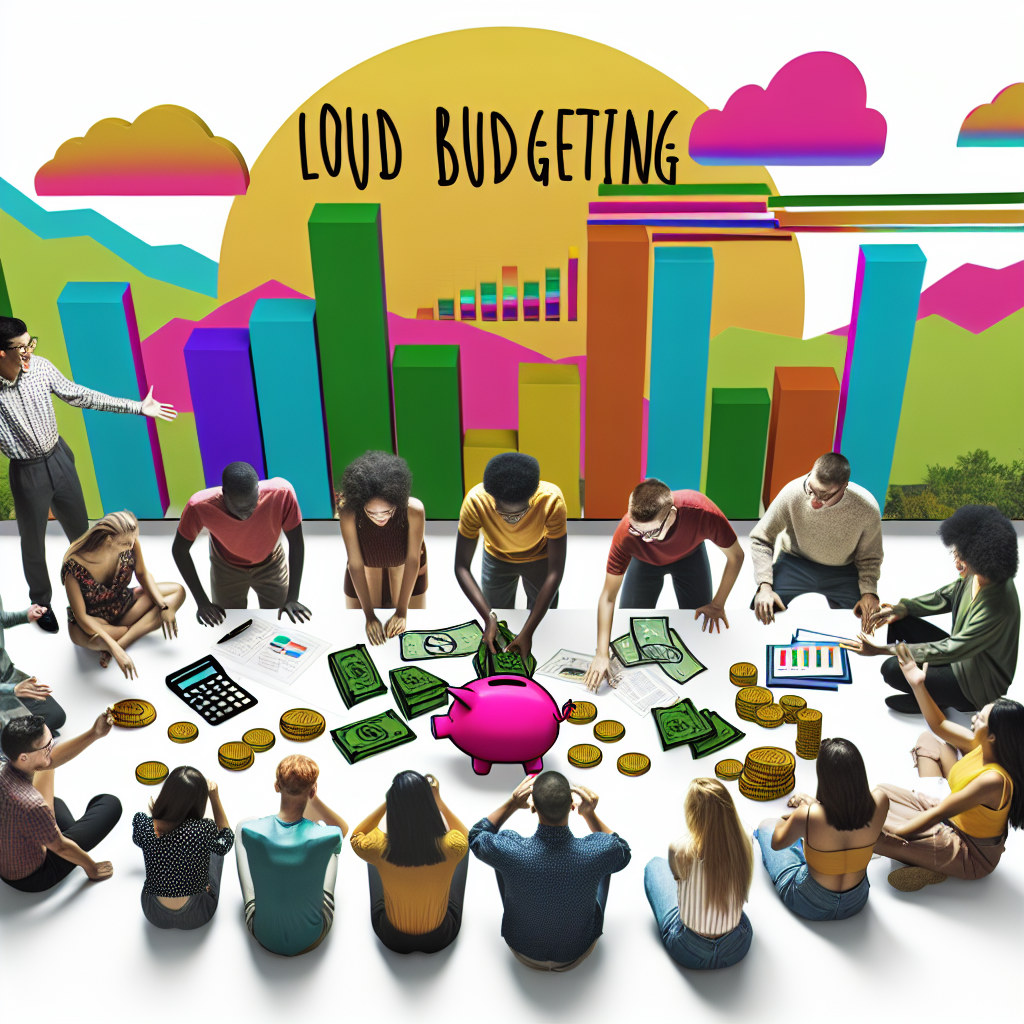
In a world where financial literacy and awareness have become paramount, Generation Z is leading a revolutionary approach: “Loud Budgeting.” This term encapsulates the idea of openly discussing financial habits, challenges, and successes, breaking long-held taboos around money. With unique perspectives shaped by their experiences, Gen Z is redefining financial discourse in a transparent and engaging way.
The Origins of ‘Loud Budgeting’
Loud budgeting stems from a collective realization among Gen Z that traditional financial advice often feels out of touch. Growing up in the wake of the 2008 financial crisis and facing mounting student debt, they have witnessed the struggles of their families and communities. This background has fostered an environment where they prioritize honesty and openness about finances.
Platforms like TikTok and Instagram serve as galvanizing tools for this movement, allowing users to share budgeting methods, savings hacks, and investment strategies. Influencers and everyday users alike are documenting their journeys, sparking conversations that encourage others to share their experiences and learn from one another.
Financial Transparency as Empowerment
For Gen Z, loud budgeting goes beyond merely tracking expenses. It embodies a broader ethos of empowerment and authenticity. By sharing their financial realities—be it the challenges of living paycheck to paycheck or the triumphs of achieving financial goals—they create a supportive community. This transparency fosters collaboration and learning, making financial concepts more accessible to everyone.
As studies show, many young adults feel more comfortable discussing their finances among peers. Forbes highlights that 60% of Gen Z openly talk about their financial goals and challenges, which contrasts sharply with previous generations’ reluctance to engage in such discussions. This shift is paving the way for a new cultural norm where financial literacy is celebrated rather than hidden.
The Tools of Loud Budgeting
Gen Z is embracing digital tools that promote financial transparency. Apps such as Mint and YNAB (You Need a Budget) have become staples for this generation, enabling easy tracking of expenses and setting financial goals. These platforms allow users to share their progress and tips, turning budgeting into a communal activity rather than a solitary chore.
Additionally, social media platforms are home to countless budgeting challenges and trends. From “no-spend months” to “savings challenges,” these initiatives motivate individuals to engage with their finances creatively and collaboratively. The rise of viral budgeting videos not only educates but also entertains, making financial discussions more appealing to a younger audience.
Cultural Shifts and Future Implications
The ripple effects of loud budgeting extend beyond personal finance. As Gen Z becomes a dominant consumer demographic, brands are recognizing the importance of transparency in their marketing strategies. Companies that adopt authentic practices and communicate openly about pricing and ethics are more likely to gain loyalty from this generation.
Moreover, this cultural shift demands that financial institutions adapt their services. Organizations must prioritize transparency in their offerings and tailor educational resources to meet the unique needs of younger clients. By doing so, they can bridge the gap and build trust with a generation that values honesty and accountability.
To delve deeper into the financial behaviors of Gen Z, explore research from the National Endowment for Financial Education or insights from the Pew Research Center.
In embracing loud budgeting, Gen Z is not only changing the way they manage money but also challenging societal norms surrounding financial conversations. Their commitment to transparency and open dialogue contributes to a more financially literate society, setting a foundational precedent for generations to come. Through communal sharing and supportive environments, loud budgeting paves the way for financial empowerment, one conversation at a time.