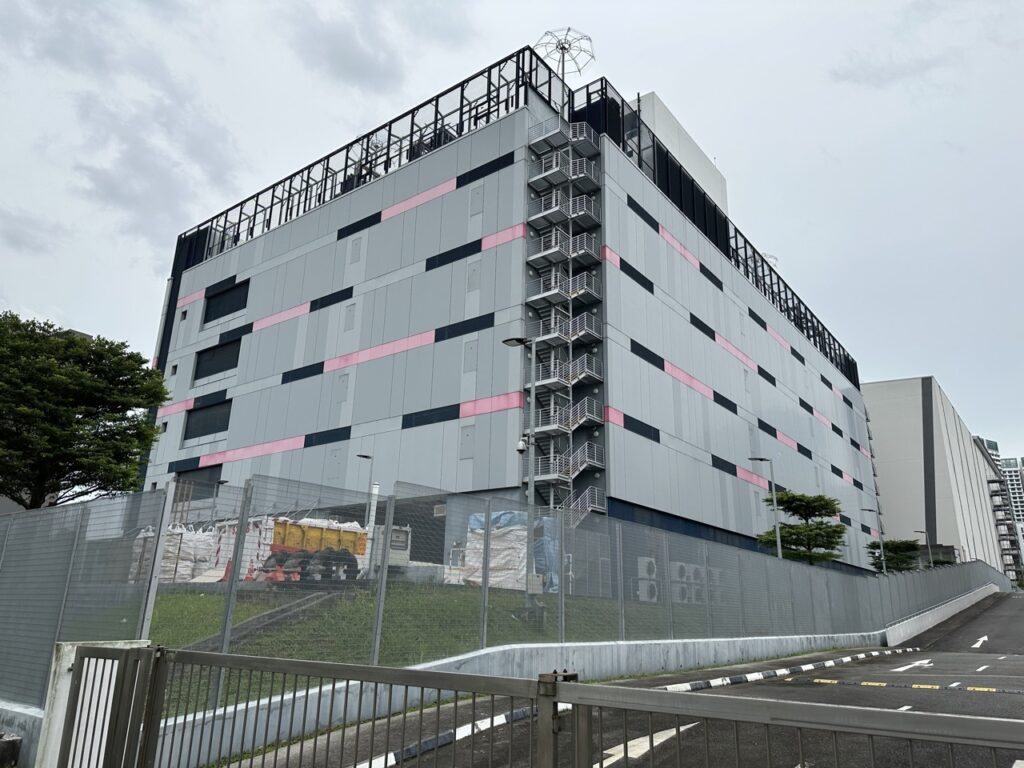

In recent years, the commercial property market has experienced significant fluctuations. The COVID-19 pandemic reshaped how businesses operate and forced many to reassess their real estate needs. As we move into 2024, the question looms: Is the revival of commercial property truly taking hold?
Understanding the Current Landscape
The global commercial property sector is showing signs of recovery, but it’s essential to identify the driving forces behind this revival. According to recent market studies, urban centers are experiencing an influx of new tenants, with companies recognizing the importance of physical workspaces in fostering collaboration and innovation.
Key Factors Contributing to the Revival
-
Shift in Work Culture
The pandemic introduced hybrid working models, blending remote and in-office work. As organizations settle into this new normal, there’s a renewed demand for flexible office spaces, meeting rooms, and collaborative work areas. -
Emphasis on Health and Well-being
Businesses are prioritizing employee well-being, leading to a demand for properties featuring wellness amenities. Spaces that offer natural light, green areas, and top-notch air quality are becoming increasingly desirable. -
E-commerce Boom
The rise of e-commerce has transformed the logistics sector. Warehousing and distribution centers are in high demand to support online retail growth. Commercial properties that can accommodate these needs are seeing increased investment. -
Urban Revitalization Projects
Cities are investing heavily in revitalizing urban areas. Improved infrastructure and public spaces are attracting businesses back to downtown locations, enhancing foot traffic and consumer engagement.
Challenges Facing the Commercial Property Market
While the signs of recovery are promising, there are challenges to consider:
- Remote Work Trends: Not all companies are eager to return to traditional office spaces. Some are committed to remote work, which could lead to surplus office space in certain markets.
- Economic Uncertainty: Global economic conditions, inflation rates, and rising interest rates may influence commercial property investments. Investors are cautious, weighing potential risks against rewards.
- Technological Advancements: Automation and technology continue reshaping the commercial real estate landscape, making it crucial for properties to adapt to new demands.
The Future of Commercial Property
Industry experts believe that the revival of commercial property is not just a fleeting trend. As companies adapt to changing needs, the focus will increasingly shift to sustainability and innovative design. Properties that can meet these demands are likely to succeed in the evolving market.
Considerations for Investors
Investors in the commercial property sector should focus on:
- Location: Properties in urban centers with access to transportation and amenities are more likely to succeed.
- Property Type: Understanding market preferences for office, retail, or mixed-use spaces will inform better investment decisions.
- Sustainability: Eco-friendly buildings are attracting tenants who prioritize sustainability, increasing their attractiveness in the market.
Conclusion
The revival of commercial property appears to be genuine, driven by evolving work cultures, technological advancements, and a focus on employee well-being. However, investors must remain vigilant, considering both opportunities and challenges as they navigate this dynamic landscape. By staying informed and adaptable, stakeholders can capitalize on the recovery and position themselves for long-term success in commercial real estate.
As we observe these trends develop, one thing is clear: the future of commercial property is poised for transformation, making it an exciting time for investors and businesses alike.