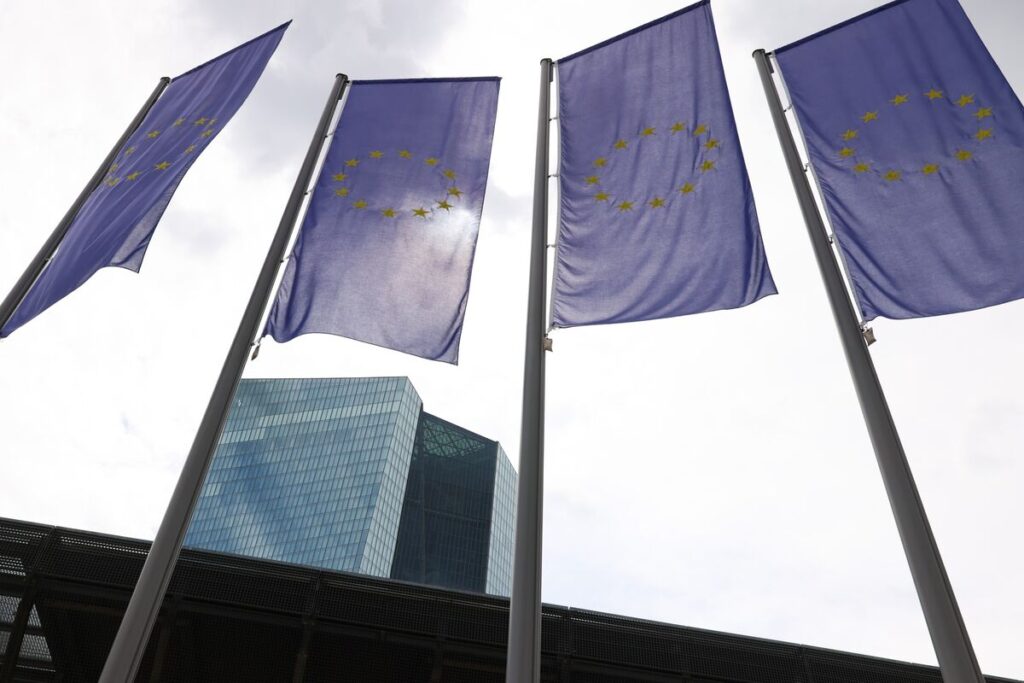

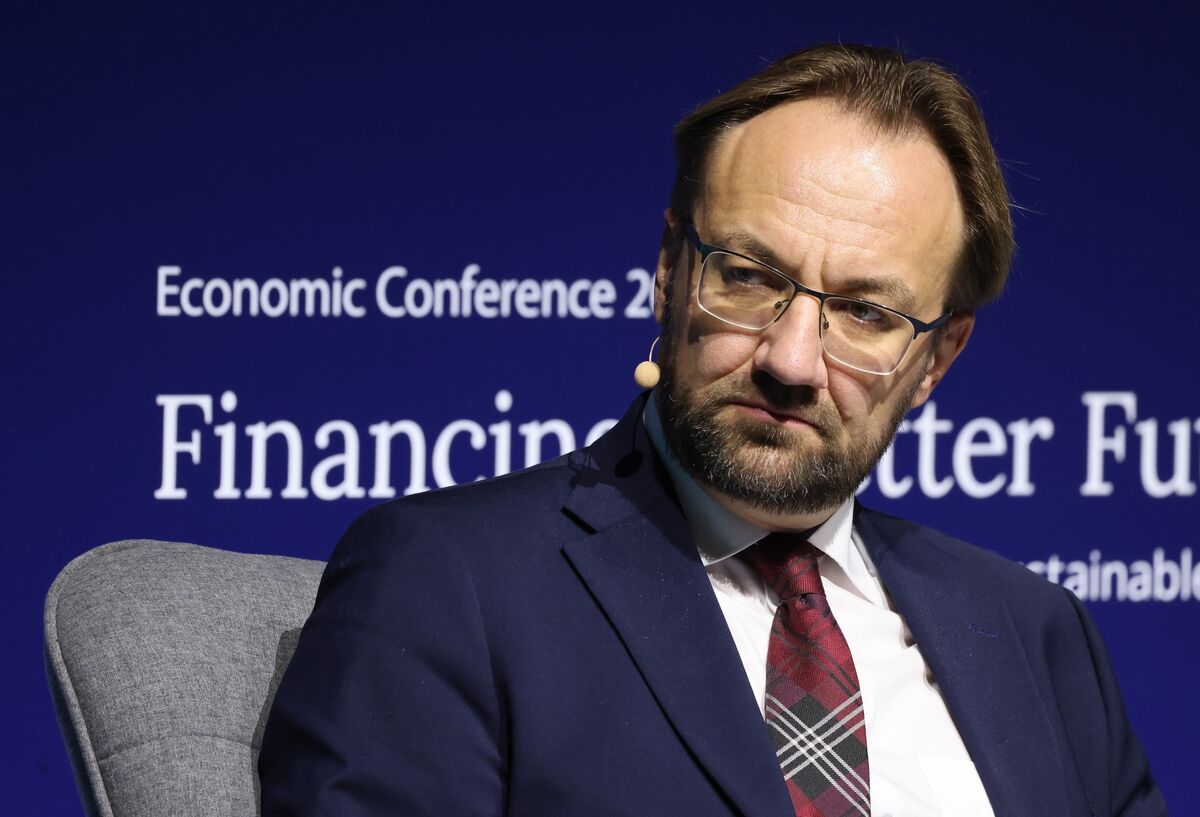
Economic challenges are looming on the horizon, prompting discussions about potential adjustments to monetary policy by the European Central Bank (ECB). Gediminas Simkus, a member of the ECB’s Governing Council, has indicated that these economic headwinds may necessitate further reductions in interest rates in the coming months.
### Understanding the Economic Landscape
The current economic environment in Europe is marked by several factors that could influence the ECB’s decision-making process. Inflation rates, consumer spending, and overall economic growth are all under scrutiny. As these elements fluctuate, the ECB must carefully assess how to respond to ensure economic stability.
### The Role of Interest Rates
Interest rates are a critical tool for central banks in managing economic activity. By lowering rates, the ECB can encourage borrowing and spending, which can stimulate growth. Conversely, higher rates can help control inflation but may also dampen economic activity. Simkus’s comments suggest that the ECB is considering a more accommodative stance to support the economy during these challenging times.
### Implications for Businesses and Consumers
A potential decrease in interest rates could have significant implications for both businesses and consumers. For businesses, lower borrowing costs can facilitate investment in expansion and innovation. This could lead to job creation and increased productivity, ultimately benefiting the broader economy.
For consumers, reduced interest rates may translate into lower mortgage and loan payments, making it more affordable to make significant purchases. This increase in disposable income can boost consumer confidence and spending, further contributing to economic growth.
### Monitoring Economic Indicators
As the ECB navigates these economic challenges, it will closely monitor various indicators to inform its decisions. Key metrics such as GDP growth, unemployment rates, and inflation trends will play a crucial role in shaping the central bank’s approach. The Governing Council will need to strike a balance between fostering growth and maintaining price stability.
### The Global Context
It’s also essential to consider the global economic landscape when discussing the ECB’s potential actions. Economic conditions in other regions, particularly in the United States and Asia, can have ripple effects on Europe. Trade dynamics, geopolitical tensions, and global supply chain issues are all factors that the ECB must take into account as it formulates its monetary policy.
### Looking Ahead
As we move forward, the ECB’s decisions will be closely watched by economists, investors, and policymakers alike. The potential for further interest rate cuts reflects the central bank’s commitment to supporting the European economy amid uncertainty. The coming months will be critical in determining how effectively the ECB can navigate these challenges and foster a stable economic environment.
In summary, Gediminas Simkus’s remarks highlight the ECB’s awareness of the economic headwinds facing Europe. With the possibility of lowering interest rates on the table, the central bank is poised to take action that could significantly impact the economic landscape for businesses and consumers alike. As the situation evolves, all eyes will be on the ECB’s next moves.