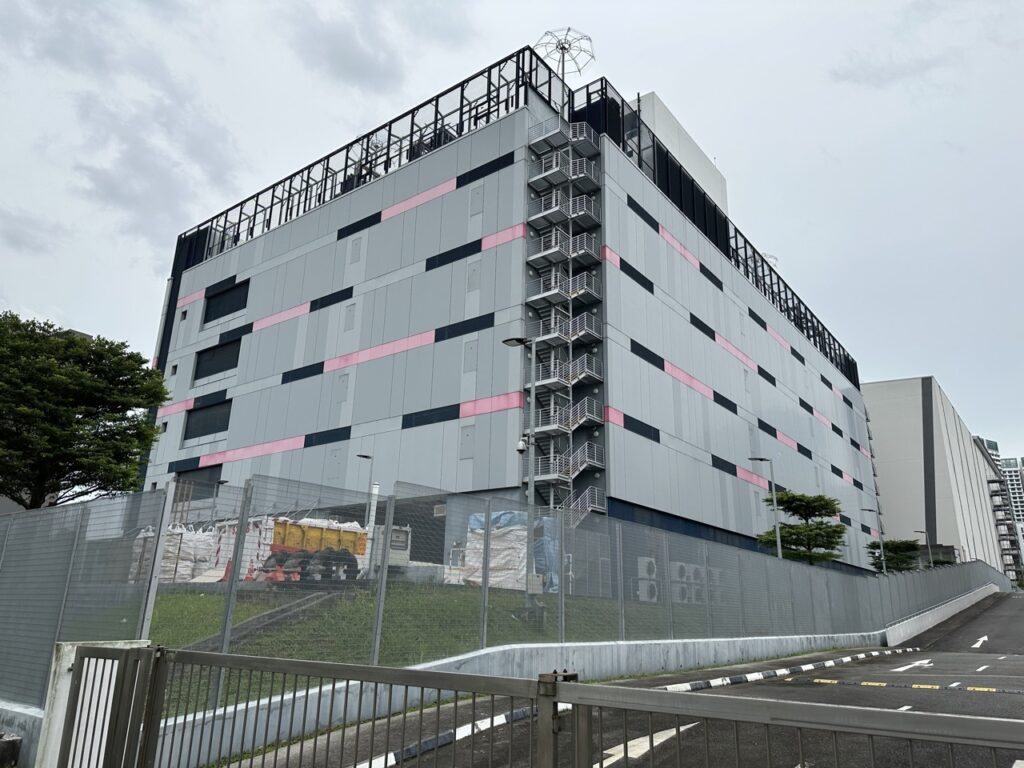


Shares of Bloom Energy soared early Monday after announcing a significant partnership with Brookfield Asset Management. This collaboration aims to install fuel cells in artificial intelligence data centers.
Brookfield plans to invest up to $5 billion to deploy Bloom Energy’s innovative technology. This marks the initial step in Brookfield’s strategy to enhance power and computing infrastructure for large AI data centers. Bloom’s fuel cells are notably “fuel-flexible”, capable of operating on natural gas, biogas, or hydrogen, according to the company.
The two companies are working together to design and construct what they refer to as “AI factories” globally, with plans to unveil a site in Europe by the end of the year.
Bloom Energy’s shares surged nearly 30% in early trading. The company’s fuel cells provide onsite power that can be rapidly installed, as they do not depend on a connection to the electric grid.
Bloom has already deployed hundreds of megawatts of fuel cells through partnerships with utilities like American Electric Power and data center developers such as Equinix and Oracle, as reported by the company.
The demand for data centers in the AI sector is expanding rapidly. For instance, Nvidia and OpenAI recently announced a partnership aimed at constructing 10 gigawatts of data centers, which is equivalent to the power consumption of New York City during peak summer months.
However, these ambitious plans face challenges due to an aging U.S. electric grid, which often struggles to provide additional power capacity. Furthermore, the expansion of data centers could lead to increased electricity prices for residential customers.
According to Brookfield’s global head of AI infrastructure, Sikander Rashid, deploying power solutions “behind-the-meter,” or off the grid, is crucial for bridging the power gap for AI factories.
Bloom Energy CEO KR Sridhar emphasized the need for AI infrastructure to be constructed with purpose, speed, and scale, akin to a factory model.
Nvidia CEO Jensen Huang highlighted the urgency of building power solutions off the electric grid to meet the growing demand and shield consumers from rising electricity costs. He stated, “Data center self-generated power could move a lot faster than putting it on the grid, and we have to do that.”