

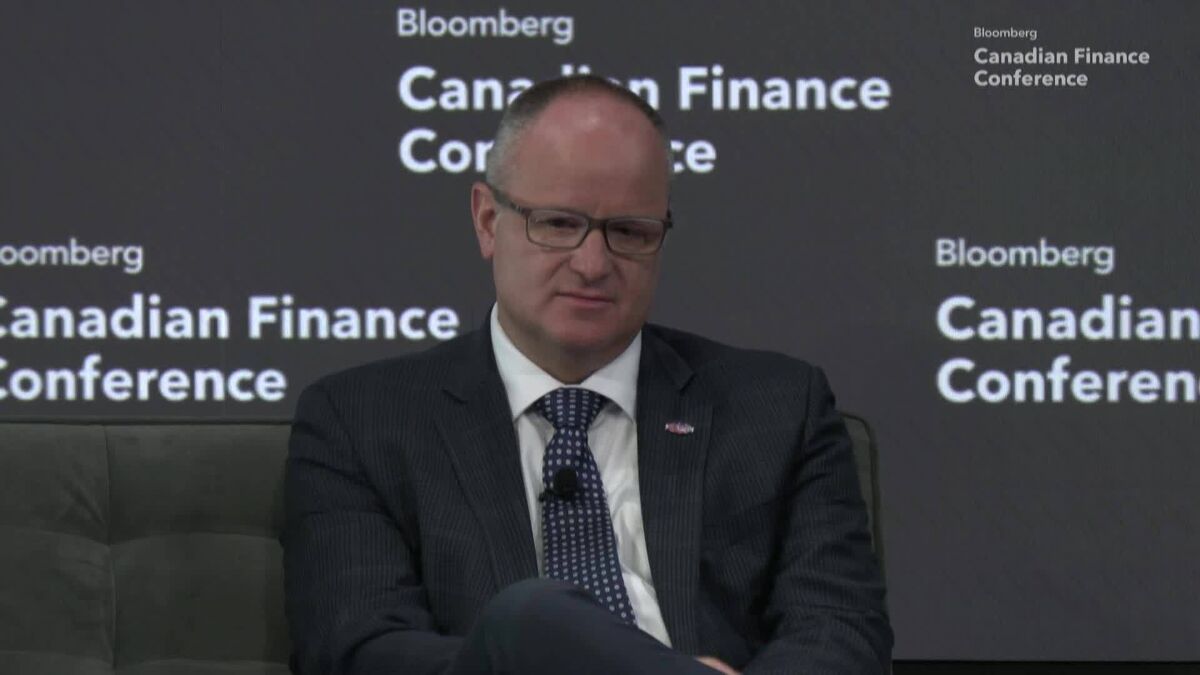
At the 2025 Bloomberg Canadian Finance Conference in New York, a pivotal discussion unfolded among industry leaders on the pressing issue of safeguarding the flow of goods in an increasingly unpredictable global environment. The panel featured Brian Kaner, President & CEO of Boyd Group Services Inc.; Murray Mullen, Chair, Senior Executive Officer & President of Mullen Group; and Ajay Virmani, Founder & Executive Chairman of Cargojet. Moderated by Bloomberg’s Monique Mulima, the conversation delved into strategies and insights that Canadian companies can adopt to navigate these turbulent times.
The global supply chain has faced unprecedented challenges in recent years, from geopolitical tensions to natural disasters and pandemics. These factors have underscored the importance of resilience in logistics and supply chain management. Kaner emphasized the need for companies to diversify their supply sources. By not relying on a single supplier or region, businesses can mitigate risks associated with disruptions. This diversification strategy allows companies to maintain a steady flow of goods, even when faced with unforeseen circumstances.
Mullen added that technology plays a crucial role in enhancing supply chain resilience. He highlighted the adoption of advanced analytics and real-time tracking systems, which enable companies to monitor their shipments closely. This technological integration not only improves efficiency but also provides valuable insights that can inform decision-making. By leveraging data, companies can anticipate potential disruptions and respond proactively, ensuring that goods reach their destinations without delay.
Virmani brought a unique perspective to the discussion, focusing on the importance of collaboration within the industry. He noted that partnerships between logistics providers, manufacturers, and retailers are essential for creating a robust supply chain. By working together, companies can share resources, information, and best practices, ultimately strengthening their collective ability to respond to challenges. This collaborative approach fosters innovation and allows for the development of more resilient systems.
The panelists also addressed the significance of sustainability in supply chain management. As consumers become increasingly aware of environmental issues, companies are under pressure to adopt greener practices. Kaner pointed out that sustainable logistics not only benefits the planet but can also enhance a company’s reputation and customer loyalty. By investing in eco-friendly technologies and practices, businesses can differentiate themselves in a competitive market.
Furthermore, the discussion touched on the role of government policy in supporting supply chain resilience. Mullen emphasized the need for a collaborative effort between the private sector and government entities to create a favorable environment for businesses. Policies that promote infrastructure development, trade agreements, and investment in technology can significantly enhance the efficiency and reliability of supply chains.
In summary, the insights shared by Kaner, Mullen, and Virmani at the Bloomberg Canadian Finance Conference highlight the multifaceted approach required to protect the flow of goods in today’s unpredictable global landscape. By diversifying supply sources, leveraging technology, fostering collaboration, embracing sustainability, and advocating for supportive government policies, Canadian companies can better navigate the complexities of the modern supply chain. The conversation serves as a reminder of the importance of adaptability and innovation in ensuring the continued success of businesses in an ever-changing world.