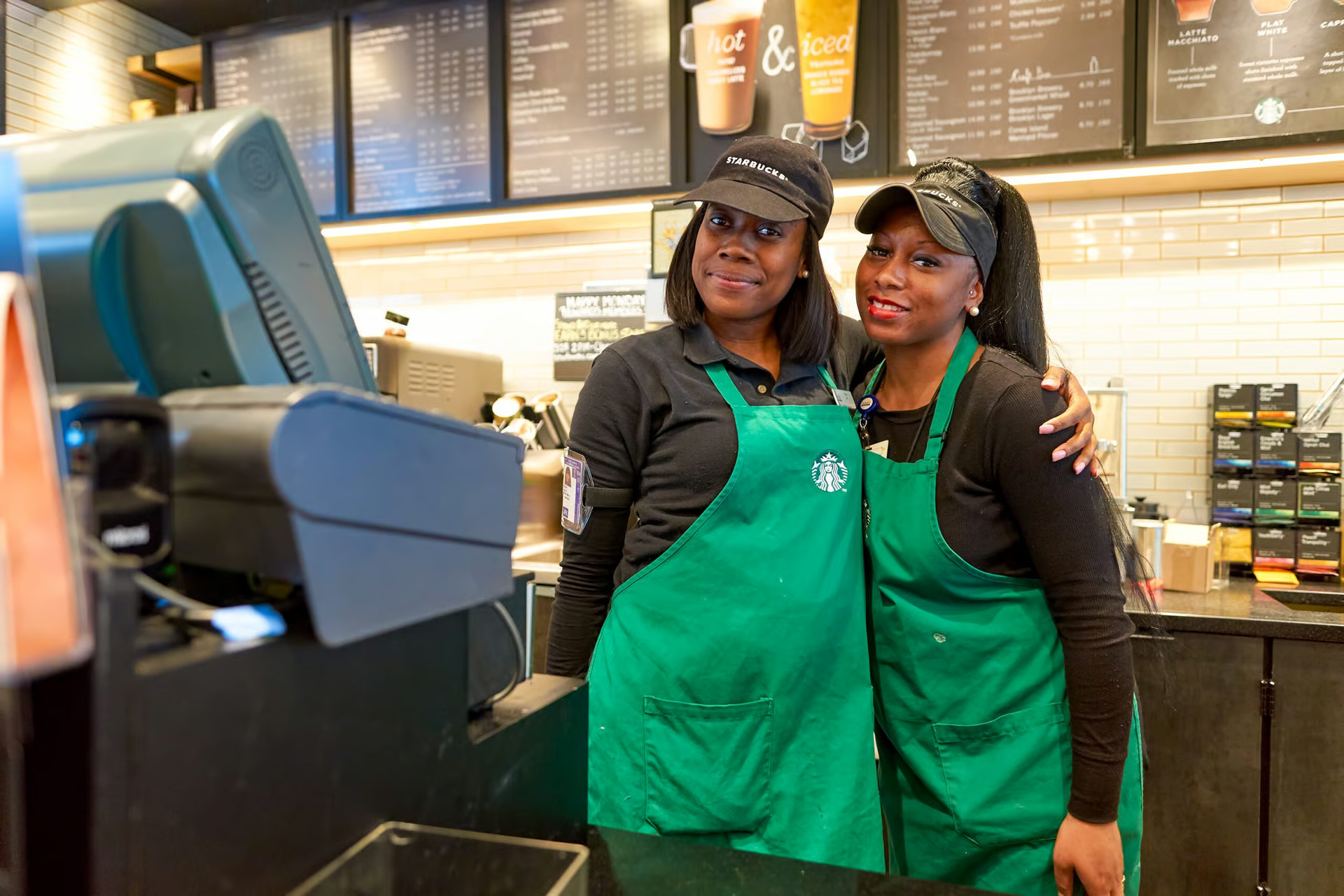


Coffee badging is the latest workplace trend reshaping the hybrid and remote work conversation. Defined as when employees clock in at the office in the morning, grab a coffee, socialize briefly, and then continue working remotely for the rest of the day, this practice is gaining attention across generations of workers. Monster’s 2025 Coffee Badging survey sheds light on how common coffee badging has become and its implications for the future of work.
The concept of coffee badging is not just about the act of grabbing a cup of coffee; it symbolizes a shift in workplace culture. As more companies adopt flexible work arrangements, employees are finding new ways to balance in-person and remote work. Coffee badging allows workers to enjoy the social aspects of office life while still benefiting from the flexibility of working from home.
According to the survey, a significant number of employees are embracing this trend. Many respondents reported that they feel more connected to their colleagues when they participate in coffee badging. This brief interaction helps to foster relationships that might otherwise weaken in a fully remote environment. The survey highlights that 60% of workers believe that these small moments of socialization are crucial for maintaining team morale and collaboration.
Moreover, coffee badging can enhance productivity. Employees who take a moment to connect with their peers often return to their tasks feeling refreshed and motivated. This practice can serve as a mental reset, allowing individuals to transition from their morning commute to a focused work mindset. The survey indicates that 70% of participants feel more productive after engaging in these social interactions, suggesting that coffee badging could be a simple yet effective strategy for improving overall workplace efficiency.
However, the trend is not without its challenges. Some employees express concerns about the potential for increased pressure to be present in the office, even if only for a short time. This could lead to feelings of obligation rather than enjoyment. Employers must be mindful of this dynamic and ensure that coffee badging remains a voluntary and enjoyable experience for all employees.
As companies continue to navigate the complexities of hybrid work models, coffee badging may become a staple in workplace culture. By encouraging brief social interactions, organizations can help maintain a sense of community among their teams. This trend reflects a broader shift towards prioritizing employee well-being and connection, which is essential in today’s evolving work landscape.
In summary, coffee badging is more than just a trend; it represents a new way of thinking about work-life balance. As employees seek to blend their professional and personal lives, practices like coffee badging can play a vital role in fostering connections and enhancing productivity. The future of work may very well depend on how well organizations adapt to these changing dynamics.