
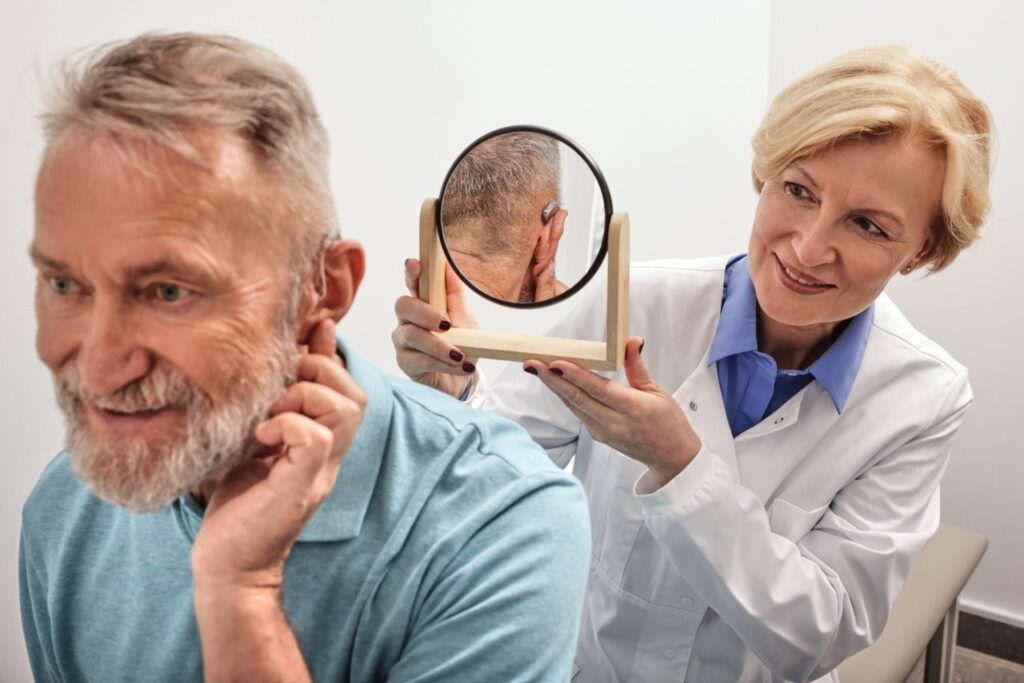

Hearing aids serve as a vital tool for enhancing the quality of life for individuals with hearing loss. Surprisingly, research indicates that only 1 in 10 people who require a hearing aid actually use one. This statistic highlights a significant gap between need and usage, often driven by misconceptions surrounding these essential medical devices. Understanding the reality of hearing aids is crucial, as they offer numerous benefits that can transform daily living.
To begin with, let’s explore the medical advantages of hearing aids. Hearing loss can lead to a range of health issues, including social isolation, depression, and cognitive decline. By amplifying sounds and improving auditory clarity, hearing aids can help mitigate these risks. Studies have shown that individuals who use hearing aids are more likely to engage in social activities, which can significantly enhance their mental well-being. Furthermore, better hearing can lead to improved communication, reducing frustration and misunderstandings in conversations.
In addition to the psychological benefits, hearing aids can also play a role in maintaining cognitive health. Research suggests that untreated hearing loss may accelerate cognitive decline, as the brain struggles to process sounds and language. By using hearing aids, individuals can keep their minds active and engaged, potentially lowering the risk of conditions such as dementia. This connection between hearing and cognitive function underscores the importance of addressing hearing loss promptly.
Now, let’s delve into the technological advancements that have transformed hearing aids into sophisticated devices. Modern hearing aids are not just amplifiers; they come equipped with a variety of features designed to enhance user experience. For instance, many models now include Bluetooth connectivity, allowing users to stream audio directly from their smartphones or other devices. This feature not only improves sound quality but also makes it easier to enjoy music, phone calls, and other audio content without the hassle of additional accessories.
Moreover, advancements in noise-cancellation technology have significantly improved the performance of hearing aids in challenging environments. Users can now enjoy clearer conversations in noisy settings, such as restaurants or crowded events, where background noise can be overwhelming. Some devices even offer customizable settings, allowing users to adjust their hearing aids based on their specific listening environments.
Another noteworthy development is the introduction of rechargeable hearing aids. Gone are the days of constantly changing batteries; many modern devices now come with built-in rechargeable batteries that can last throughout the day. This convenience not only simplifies usage but also encourages more individuals to consider hearing aids as a viable option for managing their hearing loss.
In summary, hearing aids are invaluable tools that can significantly enhance the quality of life for those with hearing loss. By understanding the medical and technological benefits they offer, individuals can make informed decisions about their hearing health. It’s essential to dispel the myths surrounding these devices and recognize their potential to improve communication, social interaction, and overall well-being.