

From car notes to credit cards, monthly bills can feel overwhelming. Unfortunately, curling up in a fetal position and hoping our bills disappear doesn’t work too well. Sorting out your monthly bills can be daunting, and paying them can be even more terrifying. This is likely why many of us procrastinate until the 11th hour.
However, it’s important to remember that creditors report your monthly payments to the three major credit bureaus. Procrastinating on bill payments can lead to late fees and penalties, which can quickly take a toll on your credit score.
To help you manage your bills more effectively, we’ve compiled a few simple strategies for procrastinators.
Bundle Your Services
Bundling your services not only saves money but also reduces the number of bills you need to manage each month.
Insurance is a prime candidate for bundling. Most of us require auto and home insurance policies, making it a smart choice. Additionally, Internet Service Providers (ISPs) often offer bundle savings for customers who subscribe to internet, cable TV, and phone services. The more you bundle, the fewer bills you have to think about.
List All of Your Bills
Identifying all of your creditors and their due dates is crucial for getting your bills in order. It’s impossible to pay your bills on time if you don’t know who you owe, how much you owe, or when payments are due.
It’s easy to overlook smaller bills like credit cards and streaming services when focusing on major debts like your mortgage or car payment. To create a comprehensive list of creditors and providers:
- Gather your last bank statement and credit card statements.
- List the creditor or service provider, due date, minimum monthly payment, and total balance.
- Create two lists: one for automatic debits and another for payments you must make manually.
Bonus: By writing out a list of all your financial obligations, you may discover subscriptions or services you no longer use. Canceling these can be an easy way to save money!
Enroll in Autopay
Most services offer autopay options. Many companies, such as cell phone carriers and car insurers, even provide discounts for customers who enroll in autopay.
If possible, align your due dates a day or two after payday. If you’re paid bi-monthly, consider this strategy: Pay your mortgage (or other major monthly expense) with one paycheck, and schedule the rest of your bills for your second paycheck to balance your monthly expenses.
Credit card companies typically auto-collect the minimum due when set up through autopay. However, making larger payments can help you reduce your debt more quickly and improve your credit score. Speak to your credit card company to set your automatic payment to collect a larger amount.
Depending on your available credit, it may be wiser to have autopay come from your checking account rather than a credit card. Credit scoring models consider your overall credit usage, and experts recommend keeping your credit utilization below 30%—though some suggest that under 10% can yield even better scores.
Use a Calendar or Reminder App
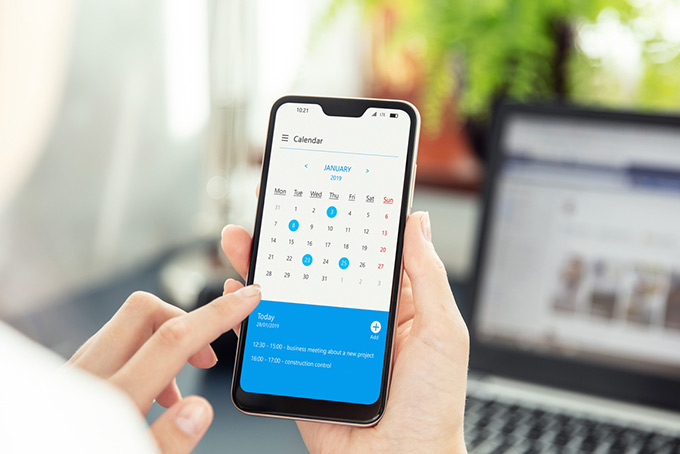
Whether you pay bills manually or use autopay, everyone can benefit from a friendly reminder.
Creating calendar reminders yourself can work, but you might forget to set them. An alternative is to use an app that sends you reminders. Apps like Prism automatically pull bill due dates from your statements onto a calendar. All you need to do is decide which account to make payments from. The best part? Prism and most reminder apps are free!
Paying your bills on time will save you money and improve your credit score. There’s no one-size-fits-all solution to breaking the procrastination habit; the key is finding a sustainable method that works for you. It may seem like a lot of effort, but once you find your system, managing your finances becomes much easier. For personalized assistance, contact DebtGuru.com today to speak with a knowledgeable team member who can help you find the right strategy for your unique situation.