
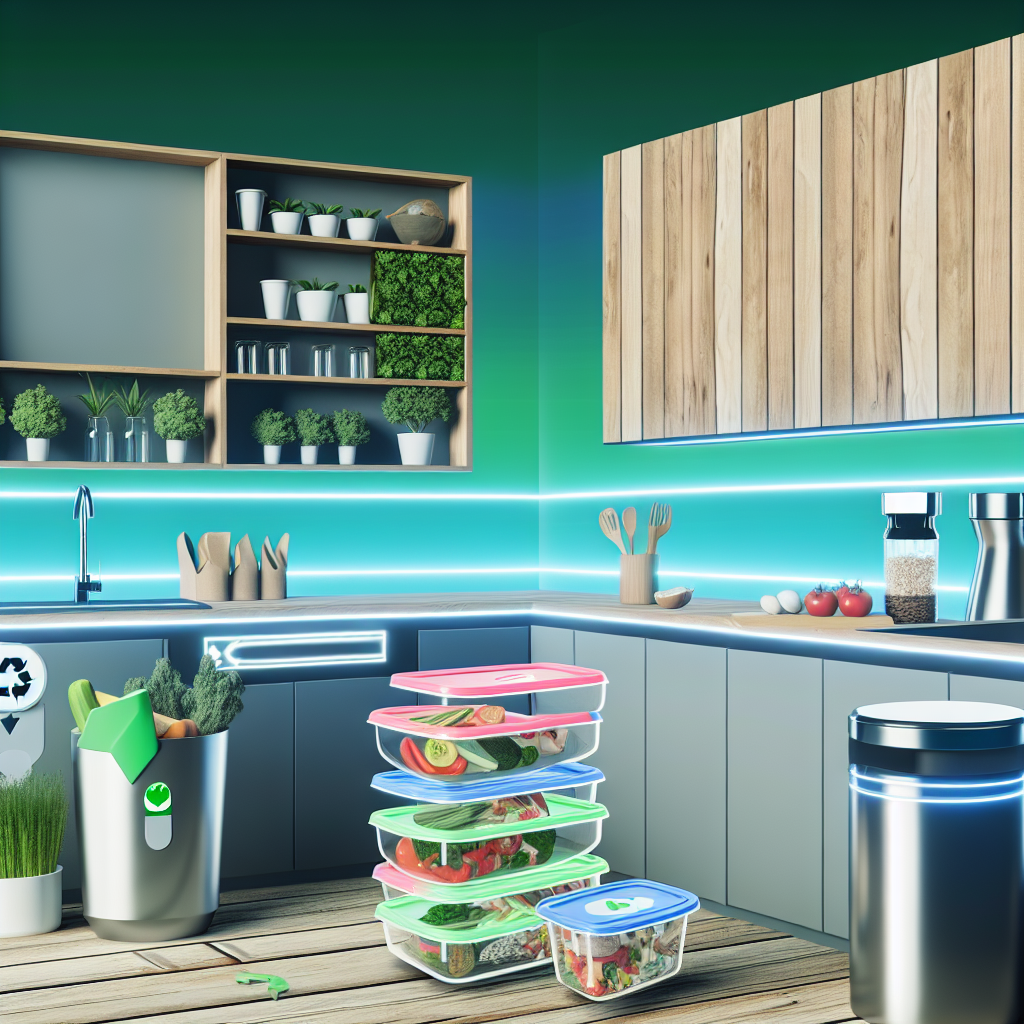
As we approach 2025, the concept of meal prepping is evolving beyond just convenience and health. Increasingly, enthusiasts are recognizing the critical importance of sustainability in their food choices. By embracing eco-friendly meal prep practices, you not only simplify your cooking routine but also contribute to a healthier planet.
The Rise of Sustainable Meal Prep
Sustainability in meal prepping is about more than just using organic ingredients. It encompasses reducing food waste, opting for local products, and choosing eco-conscious containers. As consumers become more aware of the environmental impact of their food choices, they are seeking ways to align their meal prep routines with their sustainability goals.
1. Reducing Food Waste
One of the most significant ways to make meal prep more sustainable is by minimizing food waste. In fact, approximately one-third of all food produced globally is wasted. To combat this, meal preppers can:
- Plan Meals Wisely: Create a weekly meal plan that incorporates ingredients already in your pantry. This helps you avoid overbuying and encourages using up what you have.
- Utilize Leftovers Creatively: Transform last night’s dinner into a new meal. For example, roasted vegetables can become a delicious wrap, while leftover grains can be incorporated into salads.
- Freeze and Save: Store excess portions in the freezer for later use. Freezing not only extends the shelf life of your food but also provides you with quick meal options.
2. Choosing Locally Sourced Ingredients
Purchasing local produce not only supports community farmers but also reduces the carbon footprint associated with long-distance transportation. By shopping at local farmers’ markets or joining a community-supported agriculture (CSA) program, you can access fresh, seasonal ingredients that make meal prep both delicious and sustainable.
3. Eco-Friendly Packaging
Another critical aspect of sustainable meal prep is the choice of storage containers. Opt for reusable containers made from glass, stainless steel, or BPA-free plastic. Not only do these materials last longer, but they also minimize the reliance on single-use plastics. Brands like Stasher and Pyrex offer eco-friendly options that are perfect for meal prep.
4. Plant-Based Options
Incorporating more plant-based meals into your meal prep can significantly reduce environmental impact. Animal agriculture contributes to greenhouse gas emissions and consumes vast amounts of water and land. By exploring plant-based recipes, you can enjoy nutritious meals while contributing to a more sustainable food system. Resources like Forks Over Knives provide a plethora of plant-based meal ideas to inspire your prep.
5. Smart Grocery Shopping
In 2025, smart grocery shopping will play a vital role in sustainable meal prep. Utilizing apps that track food expiration dates and inventory can help ensure you use ingredients before they spoil. This technological approach enables you to prepare meals efficiently while reducing food waste.
6. Mindful Cooking
Lastly, cooking with mindfulness not only enhances the cooking experience but also promotes sustainability. Savoring each step of the preparation process can inspire creativity and foster a deeper appreciation for the ingredients. Consider involving family or friends in meal prep to share the joy of cooking sustainably together.
As we embrace the future of meal prepping, integrating sustainable practices becomes essential. By reducing food waste, choosing local ingredients, utilizing eco-friendly packaging, exploring plant-based options, shopping smartly, and cooking mindfully, we can transform our meal prep routines. In doing so, we contribute to a healthier planet while enjoying nutritious, delicious meals.