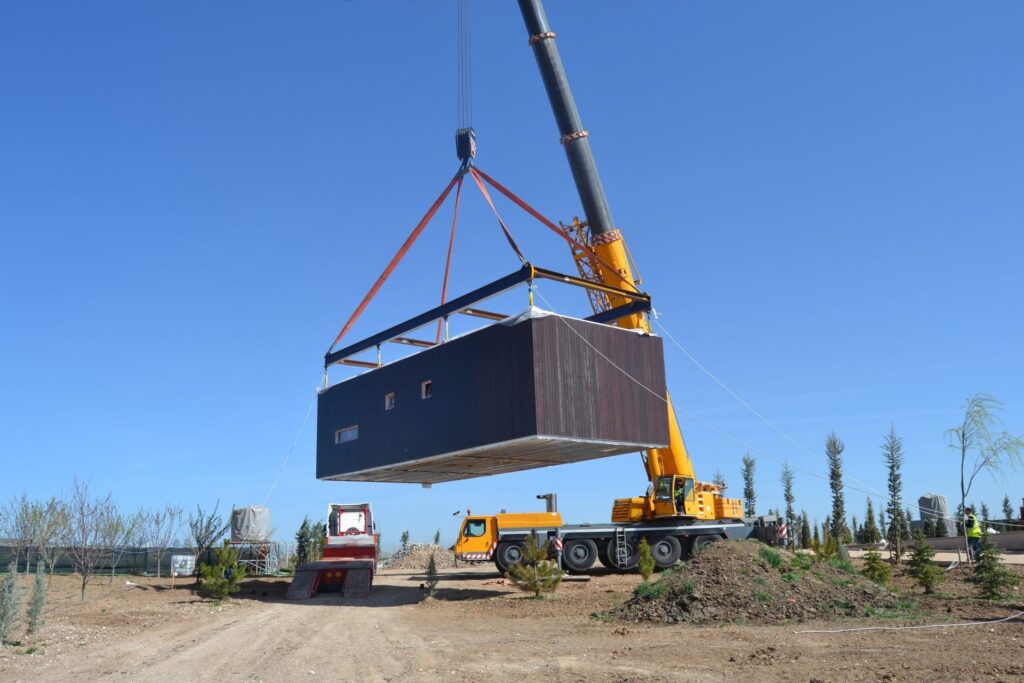

After years of elevated real estate prices, mortgage rates, and rents, the housing affordability crisis in the U.S. is more apparent than ever. Policymakers, economic experts, and everyday households continue to search for solutions to ease the financial burden of securing housing. One option gaining renewed attention is manufactured housing. Manufactured housing includes homes that are built in factories and then transported to their final locations. This method of construction can significantly reduce costs and time compared to traditional home building.
Manufactured homes are often more affordable than site-built homes, making them an attractive option for first-time buyers and those looking to downsize. The average cost of a manufactured home is considerably lower than that of a conventional home, which can help alleviate some of the financial strain many families face. Additionally, these homes can be customized to meet individual needs and preferences, offering a variety of styles and layouts.
Another advantage of manufactured housing is the speed of construction. Since these homes are built in a controlled environment, they are less susceptible to weather-related delays. This efficiency allows for quicker occupancy, which is crucial in a market where housing shortages are prevalent. Furthermore, the ability to produce homes in bulk can help meet the growing demand for affordable housing options.
However, despite the benefits, manufactured housing still faces stigma and regulatory challenges. Many people associate these homes with lower quality or temporary living situations. This perception can deter potential buyers and limit the market for manufactured homes. Additionally, zoning laws and local regulations can restrict where these homes can be placed, complicating the process for prospective homeowners.
To combat these challenges, advocates for manufactured housing are working to change public perception and promote the benefits of this housing option. Educational campaigns aim to inform potential buyers about the quality and affordability of manufactured homes. By highlighting success stories and showcasing modern designs, these initiatives seek to shift the narrative surrounding manufactured housing.
Moreover, policymakers are beginning to recognize the potential of manufactured housing as a viable solution to the affordability crisis. Some states are implementing policies that encourage the development of manufactured home communities, providing incentives for builders and reducing regulatory barriers. These efforts aim to create more inclusive housing markets and expand access to affordable options for all families.
As the housing crisis continues to evolve, manufactured housing presents a promising avenue for addressing affordability issues. With the right support and public perception shifts, this housing option could play a significant role in providing safe, affordable, and sustainable living solutions for countless Americans. As we look to the future, it is essential to explore all avenues that can help alleviate the burden of housing costs and ensure that everyone has a place to call home.