
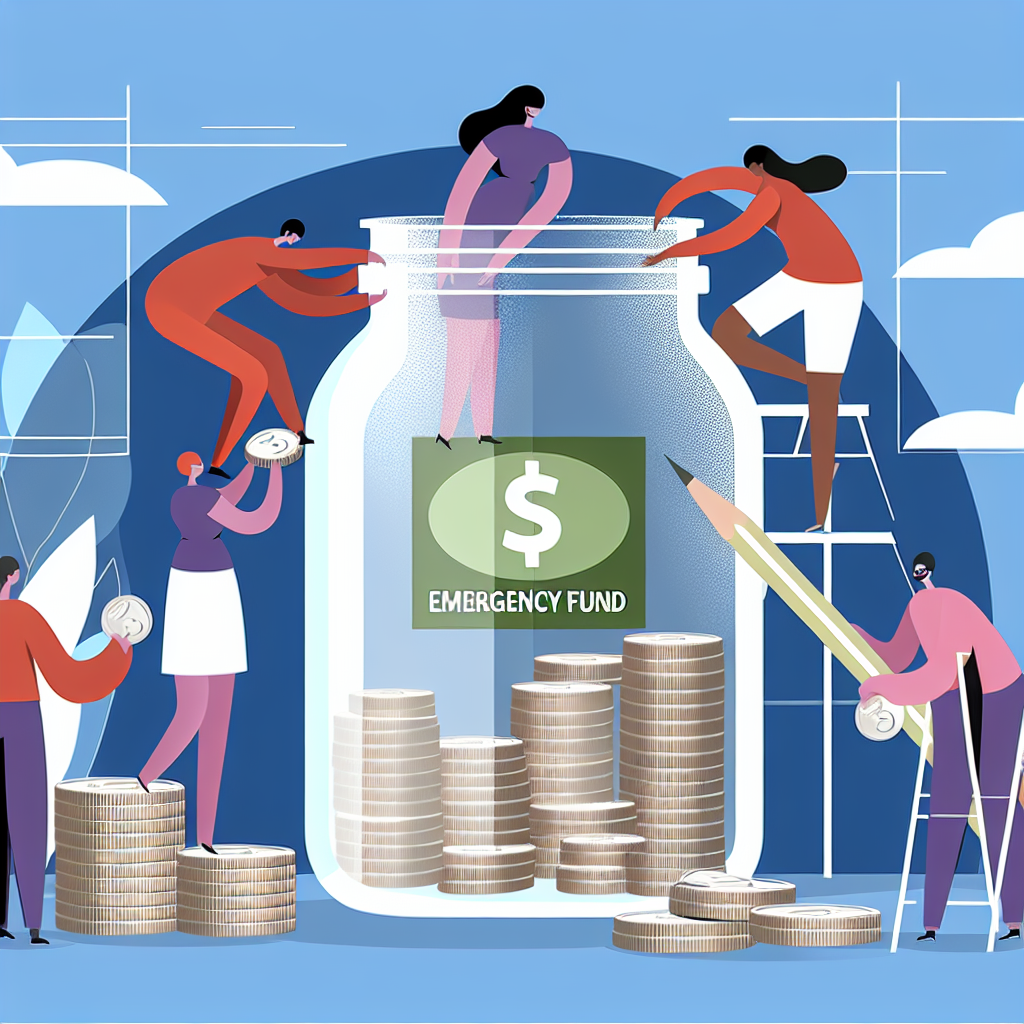
Building an emergency fund is a vital step toward financial security, especially if you’re on a tight budget. An emergency fund provides a buffer against unexpected expenses like medical bills or car repairs, alleviating stress during difficult times. Here are ten practical strategies to help you establish and grow your emergency fund without breaking the bank.
1. Set a Realistic Goal
Begin by determining how much you need in your emergency fund. A common recommendation is to save three to six months’ worth of living expenses. This might seem daunting, but you can break it down into smaller, manageable goals. Start with a target of $500 and gradually work your way up.
2. Automate Your Savings
Set up automatic transfers to your savings account every payday. Even a small amount, like $25, can add up over time. Automating your savings helps ensure you’re prioritizing your emergency fund and eliminates the temptation to spend that money instead.
3. Use Windfalls Wisely
Whenever you receive extra money—such as tax refunds, bonuses, or gifts—consider allocating a portion to your emergency fund. This can provide a significant boost without affecting your regular budget. For instance, if you receive a $1,000 tax refund, you might put $300 toward your emergency savings.
4. Cut Unnecessary Expenses
Review your monthly spending and look for areas to cut back. Simple changes, like making coffee at home instead of buying it daily, can free up extra cash. Use this money to contribute to your emergency fund. Tools like budgeting apps can help track your spending and identify potential savings.
5. Take on a Side Gig
If time allows, consider taking a part-time job or freelance work. Use the earnings specifically for your emergency fund. Side gigs can include pet sitting, freelance writing, or driving for a rideshare service. Every dollar earned can contribute to your safety net.
6. Create a Separate Savings Account
Open a dedicated savings account for your emergency fund. This separation prevents you from accidentally spending the money. Look for accounts with no fees and competitive interest rates, like those offered by online banks. High-yield savings accounts can help your fund grow faster.
7. Sell Unneeded Items
Go through your home and identify items you no longer use. Consider selling clothes, electronics, or furniture online or at a local consignment shop. Use the profits to bolster your emergency fund. Websites like eBay or Facebook Marketplace make the selling process straightforward.
8. Save Your Change
Implement a change-saving strategy. At the end of each day, collect your spare change and deposit it into your emergency fund. You might be surprised at how quickly small amounts can accumulate. Alternatively, consider using apps that round up your purchases and save the difference.
9. Make Use of Cashback Programs
If you’re using credit cards or shopping online, take advantage of cashback offers. Allocate the cashback rewards to your emergency fund. Many credit cards offer significant cashback on groceries or online purchases, allowing you to grow your savings without changing your spending habits.
10. Revisit Your Budget Regularly
Consistently review your budget to find new ways to save. Adjust allocations, especially after significant expenditures or income changes. Regularly assessing your financial situation can help you stay on track toward building your emergency fund effectively.
By adopting these strategies, you can steadily build an emergency fund even on a tight budget. Each small step contributes to a more secure financial future, allowing you to handle life’s unexpected challenges with confidence. For additional resources and tools on budgeting and saving, consider visiting NerdWallet or Mint.